New Delhi, India : India is witnessing diverse and intensifying winter weather conditions, with cold waves, dense fog, and fluctuating temperatures affecting multiple regions, according to the latest forecasts issued through December 13–15, 2025.
❄️ Cold Wave Alerts Across Central & Southern India
Cold wave conditions are expected to persist over North Interior Karnataka until December 15, while South Interior Karnataka, Telangana, Odisha, Chhattisgarh, Madhya Maharashtra, and Vidarbha are likely to experience similar conditions on December 13 and 14. Night temperatures across these regions remain several degrees below normal.
🌫️ Dense Fog in Northern and Eastern States
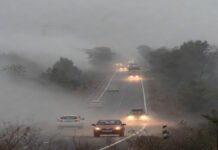
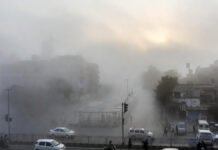
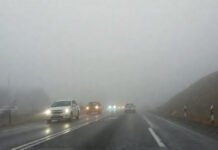
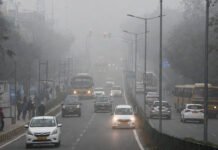
Dense to very dense fog continues to affect isolated pockets of Northeast India, along with Himachal Pradesh, Uttarakhand, Punjab, Haryana, and Odisha, impacting visibility during early morning hours and disrupting road and rail traffic in some areas.
🏙️ Delhi-NCR: Cold, Foggy, and Polluted
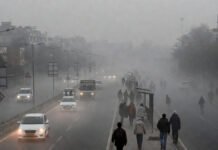
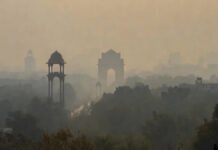
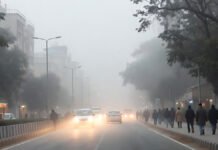
The Delhi-NCR region remains under the grip of intensified fog and elevated pollution levels, compounding winter discomfort. However, meteorologists expect gradual relief after December 13, as stronger surface winds are likely to improve air circulation and reduce fog density.
🌡️ Major City Weather Forecast (December 13, 2025)
Delhi: 23°C / 14°C – Partly cloudy, shallow morning fog
Mumbai: 28°C / 24°C – Mild and humid
Bengaluru: 26°C / 18°C – Cool mornings
Chennai: 27°C / 24°C – Light rain possible
Hyderabad: 28°C / 18°C – Cold wave alert in effect
Kolkata: 27°C / 17°C – Pleasant winter conditions
🌍 Global Climate Snapshot
On the global front, November 2025 ranked as the third-warmest November on record, with climate scientists projecting 2025 to finish as either the second- or third-hottest year globally. Experts are also monitoring a potential westerly wind burst in the Pacific Ocean, which could push climate patterns toward El Niño conditions by 2026.
Meanwhile, La Niña influences continue to shape weather extremes worldwide, alongside record-low Arctic sea ice levels, highlighting growing climate volatility.