New Delhi, India : A political and scientific storm erupted across India after the Union Health Ministry, responding to queries in the Rajya Sabha on December 9, stated that there is “no conclusive data” proving deaths or diseases are caused exclusively by air pollution. The remark comes despite global estimates indicating India records over 2 million pollution-related deaths annually, prompting widespread criticism from environmentalists, medical experts, and opposition lawmakers.
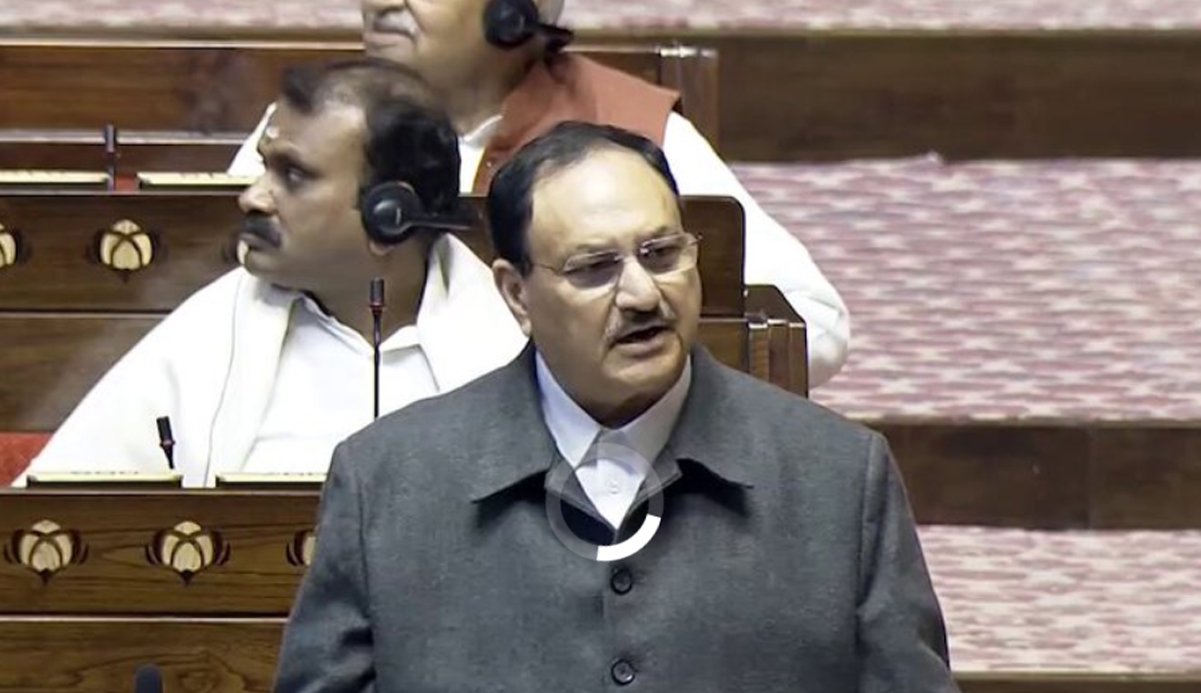
Health Minister J.P. Nadda defended the statement, arguing that it is difficult to isolate air pollution as the sole cause of death due to common comorbidities such as diabetes, heart disease, respiratory illness, and hypertension. However, Nadda announced a renewed focus on mitigation, pledging ₹2,000 crore for upgraded monitoring and enforcement under the National Clean Air Programme (NCAP). The government remains committed to its goal of achieving a 40% reduction in PM2.5 levels by 2026.
Public Health Crisis Intensifies in Delhi
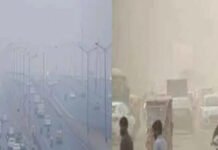
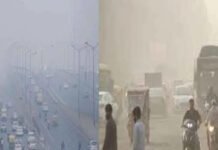
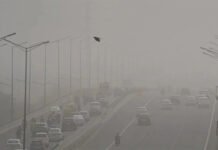
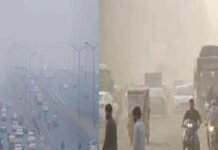
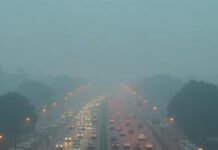
The controversy intensified as Delhi’s Air Quality Index (AQI) soared to 450—a hazardous level—on December 10, forcing:
Schools to shift classes online
Multiple flights to divert
Emergency health advisories for nearly 20 million residents
Environmental groups, including Greenpeace India, accused the government of being “scientifically dishonest”, citing established global research linking particulate pollution to severe long-term health impacts. The World Health Organization estimates 7 million pollution-related deaths worldwide each year, while the Lancet places India’s annual toll at 2 million.
Global Spotlight Ahead of COP30
The dispute unfolds just as India prepares for COP30, where air quality and climate compliance will be central issues. Activists are demanding stronger enforcement of the amended 2025 Air Act, arguing that India cannot meet its climate and health commitments without acknowledging pollution’s lethal impact.
Key Facts
Government position: No conclusive data showing deaths solely due to pollution
Independent estimates: 2M annual deaths in India (Lancet)
WHO estimate: 7M global pollution-related deaths
NCAP coverage: 131 cities
AQI Level: 450 in Delhi (Hazardous; severe category is 401+)
Funding: ₹2,000 crore pledged
Key officials: J.P. Nadda (Health Minister), Bhupender Yadav (Environment Minister)
As scientific bodies, activists, and policymakers clash over the government’s stance, India’s air pollution crisis remains one of the country’s most urgent public health challenges—demanding both clarity and decisive action.