DEHRADUN, India — June 21, 2026
Climate Change Warning: The Himalayas, long regarded as a symbol of clean air and pristine natural environments, are showing signs of increasing pollution, according to a new scientific study conducted in Uttarakhand’s remote mountain town of Munsiyari.
Researchers have detected the presence of benzene and several other harmful chemicals in the region’s atmosphere, raising concerns that human-generated pollution is reaching high-altitude areas once considered largely untouched by environmental degradation.
The findings suggest that even remote Himalayan ecosystems are no longer insulated from the impacts of urbanization, transportation growth, tourism, and expanding human activity.
Study Published in International Research Journal
The study was conducted by scientists at the Aryabhatta Research Institute of Observational Sciences (ARIES), an autonomous institute under India’s Department of Science and Technology (DST).
The research findings were published in the peer-reviewed journal Environmental Science and Pollution Research, highlighting growing concerns about air quality in ecologically sensitive Himalayan regions.
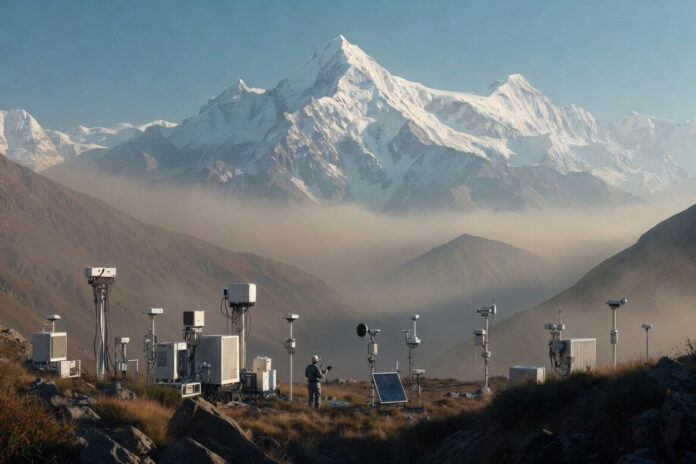
Scientists monitored air quality in Munsiyari continuously throughout 2022 and 2023, providing one of the most comprehensive assessments of atmospheric pollutants in the region to date.
Pollution Levels Change With the Seasons
Researchers found that pollution levels in Munsiyari varied significantly depending on the season.
According to the study:
- Air quality remained relatively cleaner during winter and the monsoon season.
- Pollution levels increased during spring and autumn.
- Concentrations of several harmful gases rose during periods of increased tourism and transportation activity.
Scientists believe that the expansion of tourism, rising vehicle traffic, construction activities, and growing use of LPG and diesel-based energy sources are contributing to declining air quality in the region.
While pollution levels remain far below those recorded in major Indian cities, the trend itself is viewed as a warning sign.
Benzene Emerges as the Biggest Concern
Among the pollutants detected, researchers expressed particular concern about benzene, a chemical classified internationally as a known carcinogen.
Long-term exposure to benzene has been associated with an increased risk of blood-related cancers and other serious health conditions.
The study noted that current benzene concentrations in Munsiyari are considerably lower than those typically found in larger urban centers such as Delhi and Haldwani. However, scientists warned that the increasing presence of the chemical indicates a growing environmental challenge.
Researchers emphasized that there is currently no immediate public health emergency in the region, but continued monitoring is essential to prevent future risks.
Pollutants Contributing to Ozone and Fine Particle Formation
The study also identified significant concentrations of aromatic hydrocarbons, including benzene and xylene.
According to scientists, these compounds accelerate atmospheric chemical reactions that contribute to the formation of:
- Ground-level ozone
- Secondary aerosols
- Fine particulate matter
These pollutants can degrade air quality and affect both environmental and human health.
Ground-level ozone is known to impact respiratory health, while fine particles can penetrate deep into the lungs and bloodstream, potentially increasing the risk of cardiovascular and pulmonary diseases.
Himalayan Ecosystems Facing New Environmental Pressures
Experts say the findings reinforce growing concerns that climate change and human development are placing increasing pressure on fragile Himalayan ecosystems.
The region plays a critical role in regulating water resources, biodiversity, and weather patterns across South Asia. Any deterioration in environmental quality could have broader implications beyond mountain communities.
Scientists believe that proactive planning, sustainable tourism practices, cleaner transportation systems, and continuous environmental monitoring will be essential to preserving the ecological health of the Himalayas.
Early Warning for Policymakers
Researchers stressed that the study should be viewed as an early warning rather than evidence of a current crisis.
While Munsiyari continues to enjoy significantly cleaner air than most metropolitan areas, the presence of pollution-linked chemicals in a remote Himalayan region demonstrates how far-reaching the effects of human activity have become.
Environmental experts argue that taking preventive measures now could help avoid larger air quality challenges in the future and protect one of the world’s most environmentally significant mountain ecosystems.