NEW DELHI, India — June 21, 2026
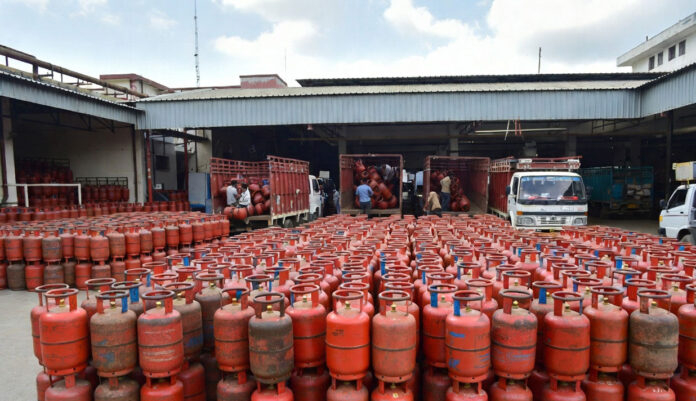
LPG Import Strategy has become a key focus for India as the country moves to strengthen energy security amid ongoing geopolitical tensions in the Middle East. To reduce dependence on traditional Gulf suppliers, India has significantly expanded liquefied petroleum gas (LPG) imports from the United States and several other countries.
The shift comes as energy markets face increased volatility due to regional instability, prompting policymakers and state-owned oil companies to diversify supply chains and secure alternative import sources.
India Reduces Dependence on Gulf Suppliers
Historically, nearly 90% of India’s LPG imports originated from Gulf countries. However, recent geopolitical developments have encouraged a broader sourcing strategy aimed at reducing supply risks.
According to industry data, the United States accounted for only around 8% of India’s total LPG imports in February 2026. By April 2026, that share had risen sharply to nearly one-third of total imports, reflecting a major shift in procurement patterns.
The increase follows a long-term supply agreement signed with the United States in late 2025, under which India secured approximately 2.2 million tonnes of LPG annually.
New Supply Sources Added to Import Portfolio
In addition to expanding purchases from the United States, India has also sourced LPG from several other countries as part of its diversification efforts.
New and expanded suppliers include:
- Iran
- Argentina
- Chile
- France
- Netherlands
Iran accounted for approximately 6% of India’s LPG imports during the period under review.
Energy analysts note that a wider supplier base reduces the risk of disruptions caused by regional conflicts, sanctions, or shipping bottlenecks.
Longer Shipping Routes Increase Transportation Costs
While diversification has improved supply security, it has also led to higher transportation expenses.
LPG shipments from North and South America, as well as Europe, require significantly longer travel distances than cargoes arriving from the Gulf region. As a result, freight costs have increased for importers.
Despite the higher logistics expenses, energy companies have prioritized supply reliability amid uncertainty surrounding Middle Eastern energy routes.
LPG Consumption Declines Amid Rising Prices
A report by CRISIL indicates that LPG consumption in India has declined during the recent period of market volatility.
National LPG consumption fell to approximately 2.47 million tonnes in April 2026, down from 3.2 million tonnes recorded in February.
The decline follows a record consumption level of 33.2 million tonnes during fiscal year 2026.
Year-over-year demand trends show:
- March 2026: 13% decline
- April 2026: 13% decline
- May 2026: 20% decline
The largest impact has been observed among commercial and industrial users, who have faced significantly higher fuel costs.
Global LPG Prices Surge
International LPG prices have risen sharply during recent months.
According to the report, the Saudi Aramco Contract Price (CP), which serves as the benchmark for Indian LPG imports, increased by approximately 46% between February and June 2026.
The price increase reflects tightening global supply conditions and growing concerns over energy security in the Middle East.
Domestic Consumers Shielded From Major Price Hikes
Despite rising international prices, state-owned Oil Marketing Companies (OMCs) have limited price increases for household LPG consumers.
Domestic LPG cylinder prices were increased by approximately 10%, significantly lower than the rise in global benchmark prices.
However, commercial LPG cylinder prices experienced much steeper adjustments, rising by more than 79% during the same period.
The strategy was aimed at protecting household consumers from inflationary pressure while allowing some cost recovery through commercial pricing.
Losses Mount for Oil Marketing Companies
The decision to limit household LPG price increases has increased financial pressure on state-run fuel retailers.
According to the report:
- Oil companies incurred an estimated loss of ₹651 per domestic LPG cylinder in Delhi during May 2026.
- Combined losses for retailers during the March-May period reached approximately ₹22,000 crore.
Industry observers say continued volatility in global energy markets could further challenge the balance between consumer affordability and financial sustainability for fuel retailers.
Energy Security Becomes a Strategic Priority
India’s changing LPG procurement strategy highlights a broader effort to strengthen energy security in an increasingly uncertain global environment.
By diversifying import sources, securing long-term contracts, and expanding supplier networks beyond traditional Gulf partners, India aims to reduce vulnerability to regional disruptions while ensuring stable fuel supplies for households, businesses, and industries.
As geopolitical tensions continue to influence global energy markets, India’s evolving LPG import strategy is expected to remain a critical component of its long-term energy planning.