Beirut, Lebanon | June 20, 2026
Marco Rubio Reaffirms US Support for Lebanon as the United States seeks to strengthen diplomatic engagement in the Middle East amid ongoing regional tensions and efforts to preserve stability along Lebanon’s southern border.
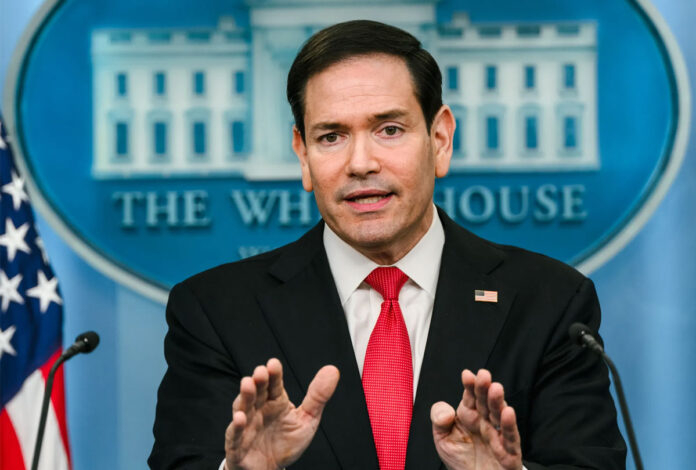
During a phone conversation with Lebanese President Joseph Aoun, U.S. Secretary of State Marco Rubio reiterated Washington’s commitment to Lebanon’s security, sovereignty, and long-term stability. The discussion comes at a sensitive moment as Lebanon continues to call for an end to Israeli military operations and pushes for broader ceasefire arrangements across the region.
The diplomatic outreach has drawn attention across the Middle East, where governments and international mediators are working to prevent further escalation and create conditions for future negotiations.
United States Reiterates Commitment to Lebanon
According to Lebanese officials, Rubio emphasized that the United States remains committed to supporting Lebanon’s security institutions and strengthening the country’s stability.
The Secretary of State reportedly stressed the importance of ensuring that the Lebanese government exercises effective authority throughout its territory and continues to work through legitimate state institutions.
Washington also reaffirmed its support for the Lebanese Armed Forces and other recognized security agencies, viewing them as essential pillars of national stability.
The message reflects ongoing U.S. efforts to support state institutions while encouraging regional de-escalation.
President Aoun Calls for Broader Ceasefire
During the conversation, President Joseph Aoun thanked the United States for its continued support but emphasized the urgent need for a comprehensive ceasefire.
According to the Lebanese presidency, Aoun argued that Israeli military operations on Lebanese territory must stop if diplomatic efforts are to succeed.
He stressed that lasting calm on the ground is a necessary prerequisite for meaningful negotiations and long-term stability.
The Lebanese leader described a ceasefire as more than a temporary security measure, calling it a foundation for future political and diplomatic progress.
Washington Talks Expected to Address Security Issues
The call comes ahead of a proposed round of discussions involving Lebanon, the United States, and Israel that is expected to take place in Washington next week.
According to Lebanese officials, the talks are intended to address unresolved security concerns, border issues, and mechanisms aimed at strengthening regional stability.
President Aoun said Lebanon’s objective is to protect its sovereignty, territorial integrity, and national security through dialogue and diplomatic engagement.
Officials hope that progress in these discussions could help reduce tensions and establish a framework for more sustainable peace along sensitive border areas.
Ceasefire Seen as Key to Successful Negotiations
Lebanese authorities continue to insist that maintaining calm on the ground is essential for productive diplomacy.
Government officials believe that a stable security environment will improve the chances of success during the upcoming negotiations and help prevent further deterioration of regional conditions.
Analysts note that ceasefire arrangements often play a critical role in creating the political space necessary for broader diplomatic breakthroughs.
As a result, the durability of current de-escalation efforts will be closely monitored by all parties involved.
Israel-Hezbollah Ceasefire Offers Hope for Stability
Recent efforts to reduce hostilities between Israel and Hezbollah have generated cautious optimism among diplomats and regional observers.
The latest ceasefire arrangements are widely viewed as part of broader international efforts to contain conflict and prevent a wider regional confrontation.
If the ceasefire remains intact, experts say it could create a more favorable environment for upcoming diplomatic initiatives and security discussions.
Several countries, including the United States and Qatar, continue to play active roles in mediation efforts aimed at preserving stability and encouraging dialogue.
Regional Diplomacy Enters Critical Phase
The renewed U.S.-Lebanon engagement highlights the growing importance of diplomacy in addressing complex regional challenges.
While Washington has reaffirmed its support for Lebanon, U.S. officials have not indicated any change in America’s broader strategic relationship with Israel. Instead, analysts view the latest diplomatic efforts as part of a wider strategy focused on reducing tensions and preventing further escalation.
The coming weeks are expected to be significant as negotiators seek progress on security concerns, ceasefire arrangements, and regional stability initiatives.
With multiple diplomatic tracks now underway, developments in Lebanon could play an important role in shaping the future security landscape of the Middle East.