Jerusalem / Tehran / Washington, DC | May 6, 2026
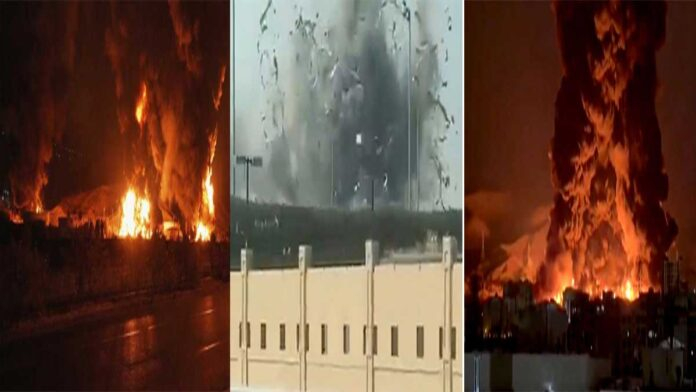
Tensions between Israel and Iran have intensified sharply following reports of a major airstrike in Tehran that allegedly destroyed a religious site identified as the Rafi-Nia Synagogue.
The latest developments have further raised fears of a broader regional conflict across the Middle East, as military activity, diplomatic pressure, and economic blockades continue to escalate.
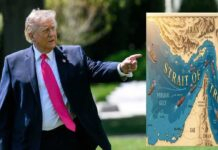
At the same time, Donald Trump delivered a strong warning to Iran from the Oval Office, urging Tehran to “wave the white flag,” a phrase commonly associated with surrender.
Religious Site in Tehran Reportedly Destroyed
According to local reports circulating in the region, the Rafi-Nia Synagogue in Tehran was heavily damaged or destroyed during an alleged Israeli airstrike.
Iranian authorities have reportedly blamed both Israel and the United States for the attack, though official international verification regarding the extent of the damage remains limited.
The incident has triggered strong reactions inside Iran, where the strike is being described by some local outlets as both a military escalation and a cultural loss.
The reported attack comes amid continuing missile exchanges and heightened military operations across several parts of the Middle East.
Trump Says Iran Should ‘Wave White Flag’
Speaking from the White House, Trump intensified pressure on Tehran with unusually sharp remarks aimed at Iran’s leadership and military establishment.
The US President claimed Iran’s military capabilities had weakened significantly and argued that ongoing sanctions, naval blockades, and military pressure had severely damaged the country’s economy.
Trump suggested that while Iranian leaders publicly reject compromise, they are privately seeking negotiations to reduce economic and military pressure.
“They should wave the white flag,” Trump said while discussing the ongoing crisis and the possibility of future diplomatic agreements.
The remarks are likely to further inflame tensions between Washington and Tehran as negotiations remain uncertain.
Regional Conflict Remains Unstable
Despite reports of a fragile ceasefire in some sectors, clashes continue in key strategic areas, including the Strait of Hormuz and parts of Lebanon.
The Strait of Hormuz remains under close international watch because of its importance to global oil shipments and maritime trade routes.
Security analysts warn that any prolonged disruption in the region could impact:
- Global energy supplies
- Oil prices
- International shipping routes
- Financial markets
- Regional diplomatic stability
Military deployments by multiple countries have increased across the Gulf region in response to the growing crisis.
‘Project Freedom’ and Ongoing Naval Operations
The latest escalation comes shortly after the United States temporarily paused “Project Freedom,” a military-led maritime mission intended to assist commercial ships stranded near the Strait of Hormuz.
Although rescue operations were paused to allow diplomatic discussions with Iran to continue, the US confirmed that naval pressure and strategic monitoring in the region remain active.
Washington has maintained that its military presence is aimed at protecting international shipping lanes and regional stability.
International Concerns Continue to Grow
Global leaders and international organizations are closely monitoring developments amid fears that direct confrontation between Israel and Iran could trigger a wider regional war.
Diplomatic efforts involving several countries are reportedly continuing behind the scenes in an attempt to prevent further escalation and restore stability in the region.
However, continued military exchanges and aggressive rhetoric from both sides continue to raise uncertainty across global markets and geopolitical circles.