Washington, D.C., — April 13, 2026
The United States has ordered an immediate naval blockade of the Strait of Hormuz following the collapse of high-stakes peace talks with Iran, sharply escalating tensions in one of the world’s most critical energy corridors.
After more than 21 hours of negotiations in Pakistan led by U.S. Vice President JD Vance, discussions ended without agreement. The primary sticking point was Iran’s refusal to make firm commitments against developing nuclear weapons, according to officials familiar with the talks.
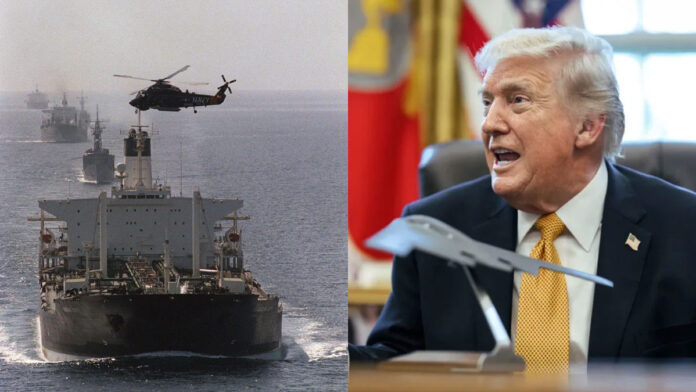
In a swift response, U.S. President Donald Trump announced that the U.S. Navy would begin blockading ships entering or leaving the strait, targeting Iranian-linked vessels and ports.
Trump issued a stark warning, stating that any Iranian attempts to interfere would result in ships being “blown to hell,” signaling a significant escalation in rhetoric and military posture.
Blockade Details and Military Posture


According to United States Central Command, the blockade is set to begin Monday at 10:00 a.m. ET (7:30 p.m. IST). Officials indicated that enforcement would focus specifically on vessels linked to Iran, while allowing other international shipping traffic to continue under monitoring.
Iranian authorities have strongly condemned the move, asserting control over the waterway and warning of severe retaliation. Military spokespersons linked to the Islamic Revolutionary Guard Corps stated that any hostile action could trigger countermeasures, including the potential targeting or containment of opposing forces in the region.
Shipping Traffic Drops Sharply
The impact on maritime activity has been immediate and severe. Vessel movement through the Strait of Hormuz dropped dramatically to just 17 ships on Saturday, compared to a pre-conflict daily average of around 130, according to maritime tracking data.
Shipping companies have begun rerouting vessels or delaying transit, citing safety concerns amid rising military tensions.
Global Energy Markets on Edge
The Strait of Hormuz is a critical chokepoint through which nearly 20% of global oil and gas supplies pass. Any sustained disruption could have far-reaching consequences for global energy markets.
Oil prices have already shown sharp volatility, and analysts warn that further escalation could trigger:
- Significant spikes in crude oil prices
- Supply shortages in key importing nations
- Increased inflationary pressures worldwide
The situation follows weeks of escalating conflict, including U.S. and Israeli strikes on Iranian targets, resulting in thousands of casualties and a fragile ceasefire that now appears increasingly at risk.
Rising Risk of Wider Conflict
Geopolitical analysts warn that the blockade could mark a turning point, potentially transforming a contained conflict into a broader regional crisis.
While U.S. officials maintain the blockade is a targeted measure, Iran’s response suggests a high risk of escalation, raising concerns about military confrontation in the Gulf and long-term disruption to global trade routes.