New Delhi, India — April 12, 2026
In a decisive push toward cleaner transportation, the Government of Delhi has unveiled its draft Electric Vehicle (EV) Policy 2026–2030, proposing sweeping financial incentives and regulatory changes designed to transform the capital’s mobility ecosystem.
At the heart of the policy is a major consumer benefit: electric cars priced up to ₹30 lakh (ex-showroom) will be exempt from road tax and registration fees until March 31, 2030. The move is expected to significantly reduce the upfront cost of EV ownership and accelerate adoption in one of India’s most pollution-affected cities.
A Strong Financial Signal to EV Buyers
The proposed incentives mark one of the most aggressive state-level EV pushes in India to date.
By removing road tax and registration fees, the government is directly targeting one of the biggest barriers to EV adoption — high initial cost. However, the benefit is capped: vehicles priced above ₹30 lakh will not qualify for these exemptions, signaling a focus on mass-market affordability.
Transition Timeline: A Fully Electric Future
The policy outlines a clear roadmap for phasing out conventional vehicles in key segments:
- From April 1, 2028: Only electric two-wheelers will be registered
- From January 1, 2027: New registrations for three-wheelers will be limited to electric vehicles
This phased transition indicates a structural shift in Delhi’s transport policy, particularly targeting high-volume vehicle categories.
Incentives for Public Transport and Small Businesses
Recognizing the role of commercial transport in urban emissions, the policy introduces targeted subsidies:
E-Auto Support
- ₹50,000 in Year 1
- ₹40,000 in Year 2
- ₹30,000 in Year 3
Electric Goods Vehicles
- ₹1,00,000 in Year 1
- ₹75,000 in Year 2
- ₹50,000 in Year 3
These measures aim to ease the transition for small business owners and commercial operators.
Direct Subsidies and Buyer Benefits
The draft also proposes direct financial incentives for individual buyers:
- Electric two-wheelers: Up to ₹30,000 subsidy in Year 1
- Gradual reduction in incentives over three years
- Price cap of ₹2.25 lakh for eligibility
All benefits will be transferred via Direct Benefit Transfer (DBT), ensuring transparency and faster disbursement. Buyers must be Delhi residents, and vehicles must be registered within the capital.
Scrappage Incentives to Remove Polluting Vehicles
To complement EV adoption, the policy expands scrappage incentives:
- ₹10,000 for two-wheelers
- ₹25,000 for three-wheelers
- Up to ₹1,00,000 for electric cars
The additional incentive will be available to the first 100,000 applicants who replace older BS-IV or below vehicles with EVs — a move aimed at accelerating the retirement of high-emission vehicles.
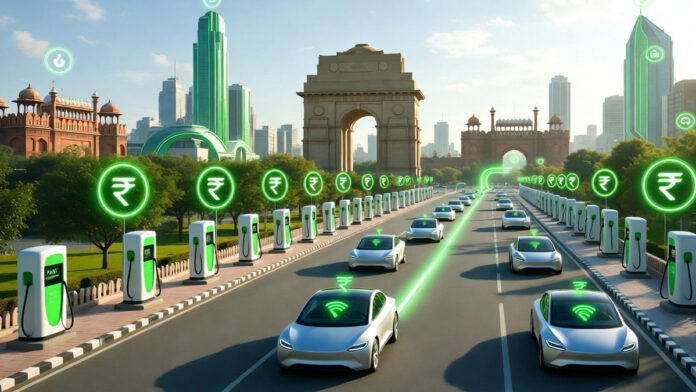
Building the Backbone: Charging Infrastructure
The government has designated Delhi Transco Limited as the nodal agency to scale up:
- Public EV charging stations
- Battery swapping networks
Simultaneously, all new vehicles procured by government departments will be electric, reinforcing institutional demand.
Bigger Picture: Air Quality and Urban Sustainability
Delhi’s EV policy is not just about incentives — it is a broader environmental strategy.
By encouraging a shift toward electric mobility, the government aims to:
- Reduce vehicular emissions
- Improve urban air quality
- Lower dependence on fossil fuels
- Build a future-ready transport ecosystem
The policy builds on the city’s 2020 EV framework and reflects an evolving, more aggressive stance on sustainability.
What It Means for Consumers
- Lower upfront cost for EV buyers
- Strong incentives for middle-income consumers
- Clear roadmap for phasing out fuel-based vehicles
- Growing ecosystem with better charging infrastructure
For many buyers, this policy could make electric vehicles not just an environmentally conscious choice — but a financially smart one.
Public Consultation Open
The draft policy is currently open for public feedback, with the government inviting suggestions within 30 days before final rollout.