Mumbai, India — April 11, 2026
India’s consumer discretionary sector is expected to witness both growth and headwinds in the coming quarters, according to a recent research report by Systematix Group. The sector is navigating shifting consumer preferences, rising input costs, and regulatory pressures that could directly impact profitability and growth momentum.
Jewelry and Apparel Drive Strong Growth in FY26
The March quarter of fiscal year 2025–26 recorded robust growth across key consumer segments, led by value apparel retail, premium fashion, and jewelry.
Jewelry Segment Shows Exceptional Demand
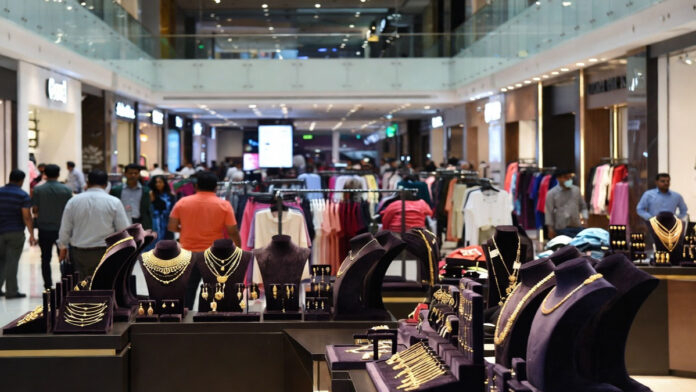
Demand for jewelry surged, supported by higher gold prices, strong wedding season purchases, and festive buying trends. Despite volatility in gold prices, consumer demand remained resilient.
However, analysts caution that margins may soften slightly due to changes in product mix. The report highlights that the jewelry industry demonstrated strong resilience and sustained growth momentum despite sharp price fluctuations.
Apparel Retail Sees Expansion-Led Growth
Value apparel retailers posted strong performance driven by aggressive store expansion and improved same-store sales growth. Premium fashion brands also maintained steady momentum, reflecting continued urban consumption demand.
QSR and Beverage Segments Face Uneven Recovery
While some consumer segments are recovering, challenges remain in others:
Quick Service Restaurants Under Pressure
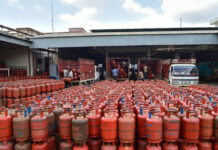
The quick service restaurant (QSR) segment is showing early signs of recovery but continues to face demand volatility and supply disruptions linked to Liquefied Petroleum Gas availability.
Although stable raw material prices supported gross margins, heavy discounting and negative operating leverage have impacted overall profitability.
Alcoholic Beverage Segment Shows Mixed Trends
The alcoholic beverage segment delivered a mixed performance. Premium segments saw double-digit volume growth driven by new product launches, with Indian-made foreign liquor (IMFL) companies leading the gains.
In contrast, the beer segment lagged behind, reflecting weaker consumption trends.
Rising Input Costs and Discounts Squeeze Margins
The report highlights growing concerns around profitability across the sector. While aggressive retail expansion has supported revenue growth, it has also increased operational costs.
Key challenges include:
- Rising raw material and packaging costs
- Heavy discounting strategies
- Regulatory pressures in the alcohol segment
Additionally, apparel companies may face further margin pressure due to rising polyester prices, which could impact financial performance starting in early FY27 unless costs are passed on to consumers.
Tier-2 and Tier-3 Cities Emerge as Growth Drivers
Despite near-term challenges, long-term growth prospects remain intact. A significant shift in consumer behavior is being observed in smaller cities, where “one-stop shop” retail formats are gaining popularity due to affordability and wider product offerings.
These markets are expected to play a crucial role in sustaining demand growth across the sector.
Geopolitical Risks Remain a Key Watch Factor
The report also flags geopolitical tensions in West Asia as a potential risk to consumption trends. Ongoing instability could impact economic sentiment and disrupt demand recovery.
Maintaining demand momentum will depend on how these external risks evolve, alongside domestic cost pressures and policy measures.