Washington, D.C. | April 10, 2026
The United States is set to receive its first detailed snapshot of how the ongoing conflict with Iran is affecting the economy, as the Bureau of Labor Statistics prepares to release March’s Consumer Price Index (CPI) report on Friday.
Economists and market analysts expect inflation to remain elevated, reflecting both pre-existing price pressures and the early economic fallout from geopolitical tensions in the Middle East.
Inflation Expected to Stay Elevated
According to forecasts, core inflation—which excludes volatile food and energy prices—is projected to rise to 2.7% annually, up from 2.5%. Overall inflation, including food and energy, is expected to reach 3.3%, remaining well above the Federal Reserve’s long-standing 2% target.
“Inflation remains a challenge,” said Seema Shah, chief global strategist at Principal Asset Management. “Although it has trended lower, it has stayed above target for years and is now facing a new shock.”
Energy Prices Driving New Pressures
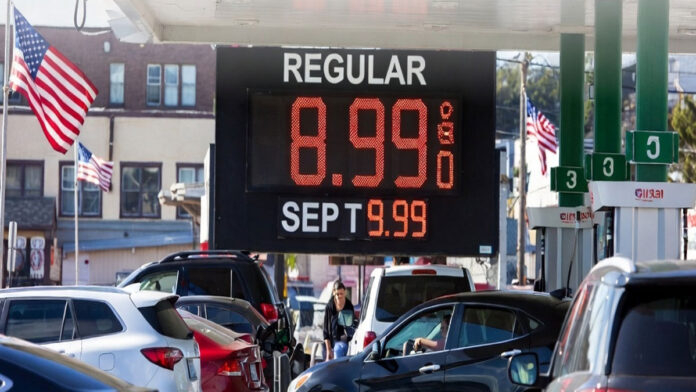
The economic effects of the U.S. conflict with Iran are already being felt, particularly in energy markets. Gasoline prices surged last month to their highest levels since the COVID-19 pandemic, while diesel and jet fuel prices hit record highs.
Major companies, including Amazon and several airlines, have begun passing rising fuel costs onto consumers through additional fees—many of which analysts say may persist even if tensions ease.
Although a two-week ceasefire announced earlier this week has helped stabilize market sentiment, economists caution that the full inflationary impact has yet to materialize, particularly as supply disruptions from the Middle East continue.
Broader Inflation Pressures Persist
Beyond energy, inflation remains elevated across several sectors. Used car prices have started to rise again, while the services sector continues to experience sustained cost increases.
Food prices also remain a concern, with staple items like ground beef still hovering near record highs, adding to household financial strain.
Mixed Signals for the Economic Outlook
Some analysts note that inflation had been showing signs of easing prior to the outbreak of conflict, driven by moderating housing costs and slower wage growth.
Before the escalation, markets had anticipated that the Federal Reserve might implement two interest rate cuts in 2026. Following the ceasefire announcement, expectations for rate cuts have begun to rise again.
Analysts at Citi said a softening labor market could help limit further inflationary pressures.
“We continue to think a cooling labor market will constrain spending and inflation,” Citi researchers noted.
Households Under Pressure
Recent data suggests the broader U.S. economic picture remains fragile. Gregory Daco, chief economist at EY-Parthenon, pointed to tariff impacts and weakening consumer finances as ongoing risks.
“Households are increasingly running on fumes,” Daco said, highlighting concerns over consumer resilience amid rising costs.
Conclusion
Friday’s CPI report is expected to offer only an early indication of how geopolitical tensions are feeding into inflation. As energy markets remain volatile and supply chains adjust, economists warn that inflation risks could persist in the months ahead.