Tehran / Iran — April 1, 2026
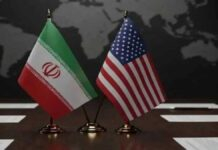
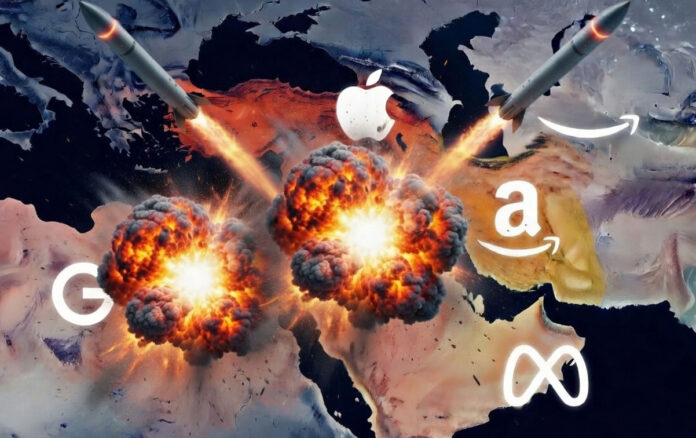
Tensions in West Asia have escalated sharply after Iran issued a direct warning targeting major American corporations operating in the region. The country’s elite military unit, Islamic Revolutionary Guard Corps (IRGC), announced that beginning April 1, it could launch retaliatory strikes against U.S.-linked corporate facilities if attacks on Iranian leadership continue.
The statement marks a significant shift in geopolitical strategy, expanding potential targets beyond military installations to include global technology, finance, and industrial companies. The development has raised alarms across international markets, corporate sectors, and diplomatic circles.
Iran Sets Timeline for Potential Strikes
According to the IRGC, attacks could begin after 8:00 PM Tehran time (10:30 PM IST) on April 1. The warning explicitly states that any continued aggression against Iranian leadership would be met with reciprocal action targeting U.S. corporate infrastructure in the region.
Iran has also issued a strong advisory to employees working at these companies, urging them to vacate offices immediately to avoid potential harm. This move signals that the threat is not merely symbolic but could involve real operational action.
Major U.S. Companies Named as Potential Targets
Iran has identified several high-profile American corporations, indicating a broader scope of retaliation. Companies mentioned include:
- Microsoft
- Apple
- Intel
- IBM
- Tesla
- Boeing
- Dell Technologies
- HP
- Cisco Systems
- Oracle Corporation
- Meta Platforms
- JPMorgan Chase
- General Electric
- Hewlett Packard Enterprise
The inclusion of technology giants and financial institutions suggests that Iran views these entities as integral to U.S. strategic and operational capabilities.
Why Are Tech Companies Being Targeted?
Iranian officials have accused major technology and artificial intelligence firms of indirectly supporting U.S. military operations. According to the IRGC, these companies provide critical infrastructure, data analytics, and technological capabilities that aid in planning and executing military strategies.
Experts note that this reflects a growing trend in modern conflicts, where cyber infrastructure, data systems, and corporate networks are increasingly seen as extensions of national power.
Rising Concerns Over Employee Safety
The warning to employees has heightened concerns about civilian safety. By advising workers to leave offices, Iran has indicated that the risk extends beyond physical infrastructure to human lives.
Security analysts believe multinational corporations may now reassess their regional presence, activate emergency protocols, and coordinate with governments to ensure staff safety.
Global Economic and Market Implications
If the threat materializes, the consequences could ripple far beyond West Asia. The targeted companies operate globally and are deeply embedded in international supply chains, financial systems, and digital infrastructure.
Potential impacts include:
- Disruptions in global technology services and cloud infrastructure
- Volatility in international stock markets
- Increased cybersecurity risks and retaliatory cyberattacks
- Supply chain interruptions affecting multiple industries
Investors and markets are already reacting cautiously, with geopolitical uncertainty often triggering fluctuations in global indices.
Is This a Warning or an Imminent Threat?
While Iran has issued similar warnings in the past, analysts point out that the specificity of timing and named targets makes this situation more serious. The defined deadline and broader scope of targets indicate a heightened level of escalation.
Diplomatic responses from the United States and its allies are expected to play a crucial role in determining the next phase. Any retaliatory measures could further intensify the conflict.
A Critical Moment for West Asia
The latest development underscores how rapidly the West Asia crisis is evolving. What began as a regional conflict now carries the potential to impact global business operations, technology networks, and economic stability.
As the situation unfolds, governments, corporations, and international organizations remain on high alert. The coming days are expected to be crucial in determining whether tensions escalate further or diplomatic efforts help de-escalate the crisis.