
New Delhi, India | March 27, 2026
Concerns over a potential rise in LPG cylinder prices are intensifying across India as global energy markets remain volatile amid escalating tensions in the Middle East.
The recent surge in crude oil and gas prices—triggered by geopolitical instability—has already led to higher fuel costs domestically. Earlier this month, the government approved a price increase of approximately ₹150 for commercial LPG cylinders and ₹60 for domestic cylinders.
Now, with the next price revision due on April 1, consumers and businesses alike are bracing for another possible hike.
Supply Disruptions Fuel Price Concerns
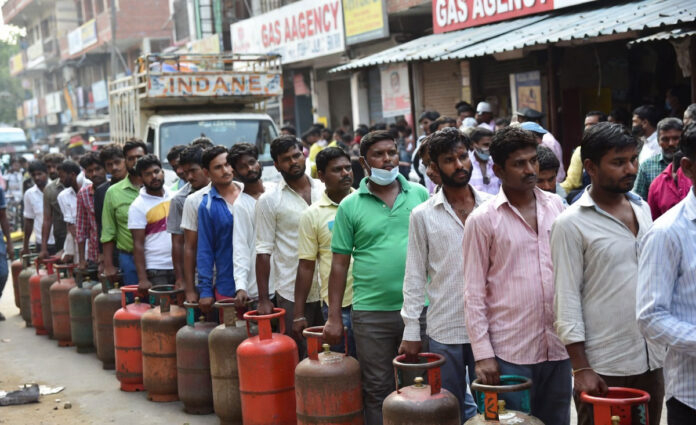
The ongoing crisis has triggered localized shortages and panic buying in several regions, as supply chains face pressure from global disruptions.
A key factor is the situation around the Strait of Hormuz—a critical global energy corridor—where tensions have disrupted the flow of oil and gas shipments.
This has pushed international energy prices sharply higher, with ripple effects across countries heavily dependent on imports, including India.
Will LPG Prices Increase on April 1?
While LPG prices in India are typically revised at the start of each month, the government has not yet issued any official statement regarding a price hike effective April 1.
However, market indicators suggest limited chances of relief.
- Global crude prices remain elevated
- LPG prices have already risen by 11–13% internationally
- Several countries have increased domestic fuel prices
Given these factors, analysts say the likelihood of a price cut is low, and an upward revision cannot be ruled out if global conditions persist.
How LPG Prices Are Determined
LPG pricing in India is influenced by multiple factors, including:
- Global crude oil and gas prices
- Exchange rate fluctuations (USD-INR)
- Government subsidies and taxation
- Transportation and distribution costs
Any sustained change in these variables can directly impact retail LPG prices.
Middle East Conflict Driving Energy Inflation
The ongoing geopolitical tensions in West Asia continue to weigh heavily on global energy markets.
Disruptions in supply routes and uncertainty around production have pushed oil prices above key thresholds, raising concerns about inflation and cost of living worldwide.
For India, which relies heavily on energy imports, prolonged instability could translate into sustained upward pressure on fuel prices, including LPG.