Washington, D.C. — March 22, 2026
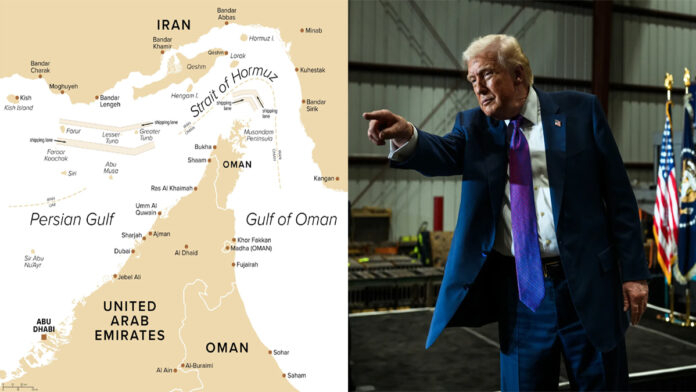
Donald Trump has issued a sharp 48-hour ultimatum to Iran, warning of potential military strikes targeting key energy infrastructure if Tehran fails to ease tensions in the Strait of Hormuz.
The statement comes at a time when escalating conflict in West Asia is already fueling concerns over global energy security and disrupting maritime trade routes.
Threat to Target Iran’s Energy Infrastructure
In a strongly worded statement, Donald Trump said that if Iran does not comply within the given timeframe, the United States could begin strikes on major energy facilities.
He specifically warned that any military response would start with Iran’s largest power plant and could expand to additional strategic sites. The remarks highlight the growing strain in US-Iran relations amid ongoing regional instability.
Why the Strait of Hormuz Matters Globally
Any disruption in this route can have immediate consequences, including spikes in oil prices, supply shortages, and broader economic instability worldwide.
Recent threats and reported risks of attacks on commercial vessels have already led to delays, with multiple oil tankers and cargo ships reportedly stranded or rerouted.
US Policy Shift Adds to Geopolitical Complexity
In a notable development, the United States recently decided to ease restrictions on the purchase of Iranian oil, marking a shift in its earlier stance. Analysts view this as a significant policy adjustment amid rising tensions in the region.
However, the latest warning from Donald Trump signals that diplomatic flexibility may be accompanied by strong military messaging if the situation escalates further.
22 Nations Condemn Attacks in Hormuz
A coalition of 22 countries, led by the United Arab Emirates, has strongly condemned recent attacks on commercial vessels in the Strait of Hormuz.
The statement emphasized that freedom of navigation is a fundamental principle of global law and warned that any obstruction poses a serious threat to international peace and security.
Leaders also called on Iran to immediately halt attacks, avoid disrupting shipping lanes, and comply with United Nations Security Council resolutions.
Rising Energy Crisis and Global Impact
The ongoing tensions in the Strait of Hormuz are contributing to a deepening global energy crisis. With commercial vessels facing threats and delays, supply chains for oil and other energy resources are under pressure.
Experts warn that prolonged instability in this region could lead to sustained volatility in global markets, affecting fuel prices, trade flows, and economic growth across multiple countries.