New Delhi, India — March 13, 2026
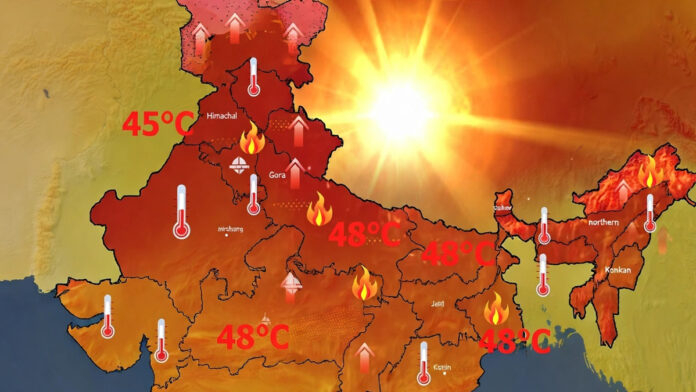
India is witnessing unusually high temperatures at the start of March, with several regions already experiencing conditions similar to a heatwave. Weather experts say the early rise in temperature has raised concerns about changing climate patterns across the country.
According to the India Meteorological Department, some areas in northern India have already reported heatwave to severe heatwave conditions, making it one of the earliest such occurrences recorded in recent years.
Heatwave Conditions Reported in Himachal Pradesh
The early onset of intense heat has been particularly noticeable in Himachal Pradesh, where weather officials reported heatwave-like conditions during the first week of March.
Normally, Himalayan states experience relatively mild temperatures during early March. However, this year the temperature increased sharply in several locations, creating conditions similar to a heatwave much earlier than expected.
Meteorologists say this development is unusual for mountainous regions, indicating that warming trends are now affecting higher-altitude areas as well.
Comparison With Previous Years
Historical weather data shows a clear shift in the timing of heatwave conditions in Himachal Pradesh:
In 2025, the first heatwave in the state was recorded on April 6.
In 2024, the first heatwave occurred on May 19, nearly 74 days later than this year’s early heat event.
In 2023, no heatwave events were recorded in the state.
In 2022, the first heatwave occurred on March 16.
These figures highlight how 2026 has seen an unusually early start to summer conditions in the region.
Coastal Regions Also Experiencing Early Heat
The early heat is not limited to northern hill states. Coastal regions such as Konkan and Goa have also experienced unusually early heatwave conditions.
In 2025, the Konkan–Goa region recorded its first heatwave on February 25, considered one of the earliest on record during the winter season.
In 2026, the country’s first heatwave was reported in the same region on March 5, followed by heatwave-like conditions in Himachal Pradesh the next day.
Experts Point to Changing Climate Patterns
Weather experts say the early heat could be linked to long-term climate change and shifting seasonal patterns.
Traditionally, March temperatures in many parts of India remain relatively moderate. However, recent years have seen faster temperature increases during late winter and early spring.
Meteorologists warn that if this pattern continues, the country could experience more intense and prolonged heatwaves in the coming months, potentially affecting agriculture, water availability, and public health.
Authorities continue to monitor the situation as the summer season approaches.