New Delhi, India — March 11, 2026
The Government of India has assured citizens that the country’s LPG supply chain remains fully stable, with domestic gas cylinders being delivered within an average of 2.5 days after booking.
The clarification came from the Ministry of Petroleum and Natural Gas, which said that crude oil supply and LPG distribution are operating normally across the country. Officials also urged consumers not to engage in panic booking or hoarding due to misinformation circulating in some areas.
Government Says No Shortage of LPG
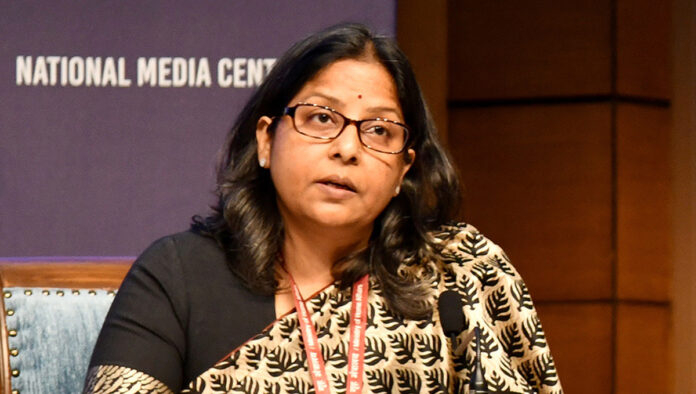
During a media briefing, Joint Secretary Sujata Sharma from the Petroleum Ministry stated that India’s crude oil supply remains secure and uninterrupted.
She explained that feedback suggests some consumers have been rushing to book cylinders due to misleading information, creating unnecessary pressure on the distribution system.
“Our regular LPG delivery cycle for domestic consumers is around two and a half days, and cylinders are reaching customers within this timeframe. There is no need for panic booking,” Sharma said.
LPG Production Increased by 25%
The government also highlighted that domestic LPG production has been increased by approximately 25% as part of policy measures aimed at strengthening supply.
Although India imports around 60% of its LPG requirement, with nearly 90% of those imports passing through the Strait of Hormuz, the ministry said domestic production has been boosted to ensure uninterrupted supply for households.
Officials confirmed that the additional production is being directed toward domestic consumers to maintain stable availability.
Booking Gap Extended to 25 Days
To prevent panic-driven demand and manage supply efficiently, the government has temporarily increased the minimum gap between two LPG bookings.
The booking interval has been extended from 21 days to 25 days.
Authorities also introduced a Delivery Authentication Code (DAC) system to prevent diversion or misuse of cylinders at the distributor level.
LPG Prices and Subsidy Measures
The ministry also addressed concerns about LPG pricing. Following a ₹60 price increase, the cost of a domestic LPG cylinder in Delhi currently stands at ₹913.
Officials noted that international LPG prices have risen by about 41%, but government support has helped reduce the price burden for Ujjwala scheme beneficiaries, who are receiving cylinders at about 32% lower cost.
To protect oil marketing companies from losses, the government has approved ₹30,000 crore in compensation.
Crude Oil Supply and Refinery Operations
India currently consumes around 5.5 million barrels of crude oil per day. According to the ministry, the government has diversified crude import sources to strengthen energy security.
Officials said that about 70% of India’s crude oil imports now arrive through routes outside the Strait of Hormuz, compared with around 55% earlier.
Meanwhile, domestic refineries are operating at full capacity, with some facilities running at over 100% utilization, ensuring steady fuel production.
Natural Gas Supply Measures
India’s daily natural gas consumption stands at approximately 189 million metric standard cubic meters per day (MMSCMD), with 97.5 MMSCMD produced domestically.
However, part of the imported supply—about 47.44 MMSCMD—has been affected by external factors.
To address the situation, the government issued a Natural Gas Control Order on March 9, temporarily reducing gas supply to refineries and petrochemical plants by 35% to prioritize essential sectors.
Officials also confirmed that two LNG cargo shipments are currently on their way to India, which will further stabilize supply in the coming days.
Government Urges States to Prevent Hoarding
The ministry has asked state governments to take preventive action against hoarding and black marketing of fuel products.
Officials reiterated that India’s energy supply chain remains strong and stable, and there is no shortage of LPG cylinders in the country.
Consumers have been advised to continue normal booking patterns and avoid unnecessary stockpiling.