Beirut, Lebanon — March 6, 2026
Israeli forces unleashed a barrage of airstrikes on Hezbollah positions across Lebanon early Friday, killing at least 31 people and forcing thousands to flee their homes in the first major violation of a fragile 2024 ceasefire. The assault came hours after the Iran-backed militant group fired rockets into northern Israel, claiming retaliation for the U.S.-Israeli killing of Iran’s supreme leader, Ayatollah Ali Khamenei.
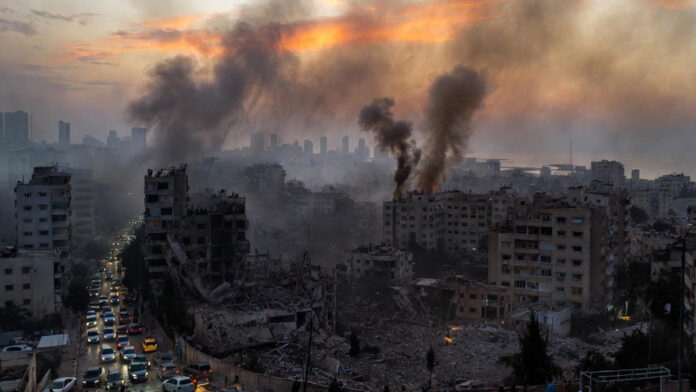
The strikes marked a dangerous reopening of hostilities along the Israel-Lebanon border, raising alarms of a multi-front regional war just days into intensified U.S. and Israeli operations against Iran. Lebanon’s Health Ministry reported the deaths from attacks concentrated in Beirut’s southern Dahiya suburb—a known Hezbollah stronghold—and southern border towns. No Israeli casualties were reported from the initial rocket barrage, but the Israeli military vowed a sustained response.
Eyewitnesses described chaos in the pre-dawn hours as explosions rocked residential areas. “The blasts came without warning—we grabbed our children and ran into the streets,” said Sally Hijazi, 33, a mother from Dahiya who fled with her family toward central Beirut. Roads out of the suburb clogged with vehicles, while Lebanon’s disaster management agency opened over 40 schools as emergency shelters. More than 3,000 people have sought refuge so far, with the number climbing rapidly.
Israel’s military chief of staff, Lt. Gen. Eyal Zamir, accused Hezbollah of “opening a campaign against Israel overnight” and operating as a proxy for Tehran. “Hezbollah is fully responsible for any escalation,” Zamir said in a statement, emphasizing that strikes targeted command centers and rocket launch sites. The Israel Defense Forces issued evacuation orders for about 50 villages in eastern and southern Lebanon, warning civilians to steer clear of militant infrastructure.
Hezbollah swiftly claimed responsibility for the rocket fire in a statement, framing it as vengeance for Khamenei’s death in a Saturday missile strike on his Tehran compound—a joint U.S.-Israeli operation based on American intelligence. The group, long a key Iranian ally, has maintained a tense standoff with Israel since the November 2024 truce that ended 14 months of cross-border fighting.
Lebanese leaders moved quickly to distance the country from the violence. Prime Minister Nawaf Salam labeled the rocket launches “irresponsible,” posting on social media that they jeopardized national security and invited further Israeli reprisals. “We will not allow Lebanon to be dragged into new adventures,” Salam wrote, without directly naming Hezbollah. President Joseph Aoun echoed the sentiment, condemning any use of Lebanese soil for external conflicts and noting the nation’s ongoing recovery from 2024’s devastations.
The flare-up unfolds against a backdrop of rapid escalation in the broader U.S.-Israeli campaign against Iran, now in its third day. President Donald Trump, in a New York Times interview, outlined plans for strikes to continue “four or five weeks” to dismantle Tehran’s military capabilities, including its ballistic missile program and navy. U.S. forces reported sinking an Iranian warship and hitting Revolutionary Guards Corps headquarters, while Iranian missiles struck U.S. bases in Kuwait—killing three American troops—and Gulf allies.
Iran’s interim leadership, reeling from Khamenei’s loss, rejected negotiations with Washington. Top security official Ali Larijani announced a clerical committee to manage the power vacuum until a successor is selected by the Assembly of Experts. Iranian state media tallied over 115 deaths from coalition strikes, including a tragic hit on a southern elementary school near a naval base.
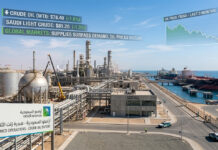
Global markets reacted sharply, with shipping halted through the Strait of Hormuz—chokepoint for one-fifth of world oil—and Maersk suspending Red Sea routes. Analysts warn the Lebanon front could draw in more actors, complicating U.S. efforts to contain the conflict.
Israeli officials prepared citizens for “prolonged days of combat,” while international calls mounted for de-escalation. United Nations Secretary-General Antonio Guterres urged all sides to “step back from the brink,” citing the humanitarian toll. As dawn broke over Beirut’s scarred skyline, the fragile peace that held for over a year lay in ruins, with civilians bearing the heaviest cost.