
New Delhi — February 14, 2026
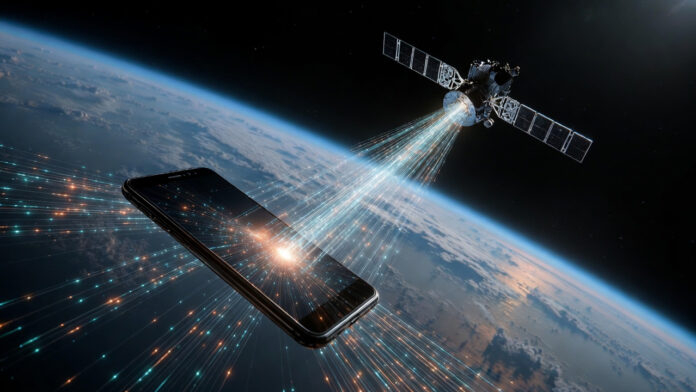
A major telecom provider has successfully tested Direct-to-Cell technology in India, enabling mobile calls via satellite without the need for SIM cards or traditional network towers. The development marks a potentially transformative milestone in the country’s telecommunications sector, particularly for remote and difficult-to-reach regions.
What Is Direct-to-Cell Technology?
Direct-to-Cell allows standard smartphones to connect directly to satellites instead of terrestrial towers. Unlike traditional satellite phones, this system works on existing 4G and 5G devices without requiring special hardware.
Global firms such as Starlink are already developing similar solutions internationally, signaling a major shift in how mobile connectivity could function worldwide.
Ending Network Dead Zones
Industry analysts say the technology could eliminate connectivity gaps in locations where tower installation is impractical or impossible, including:
High Himalayan regions
Dense forests
Offshore or maritime zones
Such areas have historically lacked reliable mobile service due to terrain, cost, or logistical barriers.
Critical Use During Emergencies
Satellite-based communication is expected to play a crucial role during natural disasters when conventional infrastructure fails. When towers collapse or networks are disrupted, Direct-to-Cell services could provide lifesaving communication through satellite links for calls and messages.
Telecom Giants Race for Launch
Major telecom players in India are competing to commercialize satellite connectivity services:
Bharti Airtel is collaborating with OneWeb
Reliance Jio is partnering with SES
The competition reflects the strategic importance of satellite communication in future telecom infrastructure.
Rollout Plan: Step-by-Step Deployment
According to industry sources, the rollout will happen in phases:
Phase 1: SMS and emergency alerts
Phase 2: Voice calling
Phase 3: Data and internet access
This staged approach allows providers to test reliability and capacity before full-scale commercial deployment.
Why This Matters
Experts describe Direct-to-Cell as one of the most disruptive telecom innovations since mobile broadband. By combining satellite networks with everyday smartphones, the technology could:
Expand digital inclusion
Strengthen disaster resilience
Improve national connectivity infrastructure
If scaled successfully, it could redefine how mobile networks operate in regions where traditional infrastructure cannot reach.