Mumbai, February 7, 2026
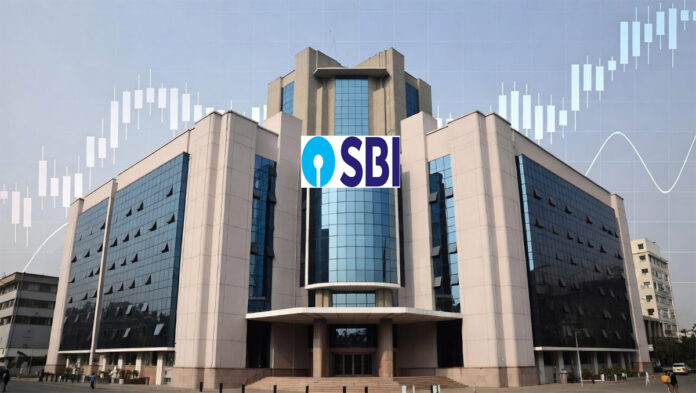
India’s largest public sector lender, State Bank of India (SBI), reported a historic performance in the third quarter of FY26, posting its highest-ever standalone quarterly profit, driven by strong loan growth, rising interest income, and a significant improvement in asset quality.
The bank announced its Q3 results on Saturday, beating market expectations and further strengthening its balance sheet with a higher provisioning buffer.
Record Profit and Strong Interest Income
For the October–December quarter, SBI posted a standalone net profit of ₹21,028 crore, the highest in its history. On a consolidated basis, net profit rose 13.06% year-on-year to ₹21,317 crore.
Net Interest Income (NII), the bank’s primary revenue source, increased 9.04% year-on-year to ₹45,190 crore, compared with ₹41,446 crore in the same period last year. The growth was supported by 15.14% loan growth, although domestic net interest margin (NIM) slipped marginally by 3 basis points to 3.12%.
Asset Quality Improves, Provisions Rise
SBI reported a notable improvement in asset quality. The gross non-performing asset (GNPA) ratio declined to 1.57% as of December 31, 2025, from 1.73% in the previous quarter.
However, the bank significantly increased its provisioning to strengthen balance sheet resilience. Total provisions rose to ₹4,507 crore, sharply higher than ₹911 crore in the year-ago quarter. Fresh slippages also increased to ₹4,458 crore, compared with ₹3,823 crore last year.
Other Income and Expenses
Non-interest income rose 15.65% year-on-year to ₹8,404 crore. SBI Chairman C S Setty said a major contributor was a special dividend of ₹2,200 crore from SBI Mutual Fund. Fee income and recoveries from written-off accounts also supported earnings.
Meanwhile, total expenses increased to ₹1,08,052 crore, compared with ₹1,04,917 crore in the corresponding quarter last year, reflecting higher operating and provisioning costs.
Key Highlights from SBI Q3 Results
Standalone Net Profit: ₹21,028 crore (highest ever)
Loan Growth: Up 15.14%
Deposit Growth: 9.02% (Q3 period)
Gross NPA Ratio: Improved to 1.57%
Capital Adequacy Ratio: 14.04%
Outlook
SBI’s Q3 performance underscores the strengthening of India’s public sector banking system. Strong credit growth above 15% and declining NPAs reflect improved underwriting discipline. However, rising slippages and higher provisioning will remain key metrics for investors to monitor.
With a capital adequacy ratio of 14.04%, the bank appears well-positioned to meet future credit demand while maintaining balance sheet stability.