CARACAS, Venezuela / WASHINGTON, Jan. 4, 2026
In a stunning escalation, United States forces captured Venezuelan President Nicolás Maduro and his wife, Cilia Flores, on January 3, prompting President Donald Trump to announce that the US would temporarily oversee Venezuela until stability is restored.
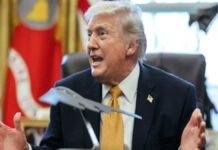
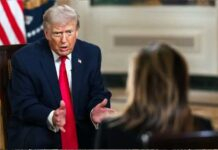
Trump addressed the nation in a press conference, stating that American forces had successfully extracted Maduro and that the US would maintain control “until peace is established.” The White House also shared an old video of Maduro challenging Trump and the US, highlighting the irony amid rising tensions between Washington and Caracas.
Venezuela’s Supreme Court responded by appointing Vice President Delcy Rodríguez as interim president, citing constitutional provisions to ensure governmental continuity.
International reactions poured in swiftly. China strongly objected to the operation, calling it a clear violation of international law and the UN Charter. The Chinese Foreign Ministry demanded Maduro’s immediate release and urged resolution through diplomatic dialogue to preserve regional peace.
India expressed deep concern over the developments, closely monitoring the situation while reaffirming support for the safety and well-being of Venezuelan people and calling for peaceful dialogue among all parties.
Former US Vice President Kamala Harris criticized the action, asserting it was driven by oil interests rather than concerns over drug trafficking or democracy.
In a related development, Starlink announced it would provide free broadband internet service across Venezuela until February 3 to maintain connectivity during the crisis.
The United Nations Security Council is scheduled to hold an emergency meeting on Monday to address the situation, following requests supported by several member states. UN Secretary-General António Guterres described the events as setting a dangerous precedent.