Trump’s Claim Sparks Global Debate
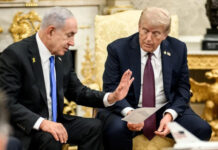
In a statement that has rippled across global energy and diplomatic circles, US President Donald Trump announced that India will soon stop purchasing oil from Russia. Speaking to reporters at the White House on Wednesday, Trump said that Prime Minister Narendra Modi had assured him of India’s intent to phase out its imports of Russian crude — a move that could reshape energy markets and geopolitics alike.
“He (PM Modi) has assured me that there will be no oil purchases from Russia,” Trump said. “You know this can’t happen immediately. It’s a process — but this process will also end soon.”
Trump linked India’s decision to his broader effort to broker a ceasefire between Russia and Ukraine, suggesting that cutting Moscow’s energy revenues could accelerate diplomatic pressure on the Kremlin. “Once this war is over, India will be free to resume trade as before. But for now, global unity is crucial,” he added.
The claim comes just days after the US imposed an additional 25% tariff on Indian companies importing Russian oil — a policy the Trump administration described as “a step toward tightening economic pressure on Russia’s war machinery.”
India Maintains Strategic Silence
While Trump’s remarks have made international headlines, New Delhi has yet to confirm any such assurance. Senior officials in India’s Ministry of External Affairs (MEA) have so far maintained silence, neither affirming nor denying Trump’s comments.
India’s position, however, has been consistent throughout the Russia-Ukraine conflict. The country has repeatedly defended its continued imports from Moscow, calling Russian crude “an economic necessity” that ensures stability in global oil prices and domestic inflation.
“India’s energy security is paramount,” said an official familiar with India’s oil policy. “We will continue to act in our national interest while maintaining strategic partnerships with both the US and Russia.”
For India, discounted Russian oil has provided a crucial buffer against inflation and global supply volatility since 2022. While Western countries have drastically cut imports from Moscow, India — along with China — has emerged as a key buyer of Russian crude, often refining and exporting fuel to European markets indirectly.
What the Numbers Say: India Still Deeply Tied to Russian Oil
Despite Washington’s escalating pressure, the trade figures tell a different story. According to India’s Petroleum Planning and Analysis Cell (PPAC), oil imports from Russia declined by just 8.4% between April and September 2025, showing only a minor dip rather than a withdrawal.
In September 2025, India imported approximately 4.5 million barrels per day (bpd) from Russia — around 70,000 barrels more per day than in August, though slightly below September 2024 levels. The imports were valued at around ₹25,597 crore (about $2.5 billion), making India the second-largest global buyer of Russian crude.
Russia’s share in India’s overall crude imports stood at 34% in September, compared to 36% in June — a marginal shift.
Interestingly, data shows that state-owned Indian refiners cut Russian purchases by 45% between June and September, while private refiners like Reliance Industries and Nayara Energy continued to buy aggressively. Analysts say this change was driven by new long-term contracts with West Asian suppliers and not by US pressure.
“India’s oil import pattern remains opportunistic,” said energy analyst K. Subramanian. “It’s driven by price, not politics. As long as Russian oil remains cheaper, Indian refiners will keep buying.”
The Geopolitical Balancing Act
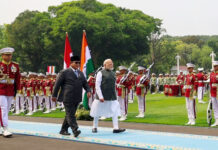
India’s strategic balancing act — maintaining ties with both Washington and Moscow — remains a cornerstone of its foreign policy. While New Delhi has expanded defense and technology cooperation with the US, it continues to rely on Russia for over 60% of its military hardware and significant energy imports.
Trump’s comment, experts say, might be more political than practical, aimed at reinforcing his administration’s tough stance on Russia ahead of the 2026 US midterms.
“Trump’s claim seems more like a diplomatic signal than a confirmed policy shift,” said Professor Arvind Chaturvedi, a foreign policy expert. “India will adjust only when it makes economic sense, not because of external pressure.”
Bottom Line: Numbers Over Narratives
As of October 2025, there is no official confirmation from New Delhi that India plans to halt Russian oil imports. The data indicates continued, albeit slightly reduced, trade volumes — suggesting that India’s “oil diplomacy” remains pragmatic and price-focused.
While Trump’s announcement adds political drama to the global stage, the ground reality remains nuanced: India’s path forward depends less on rhetoric and more on economics.