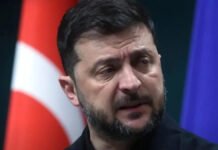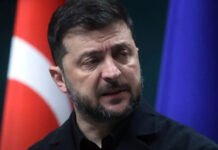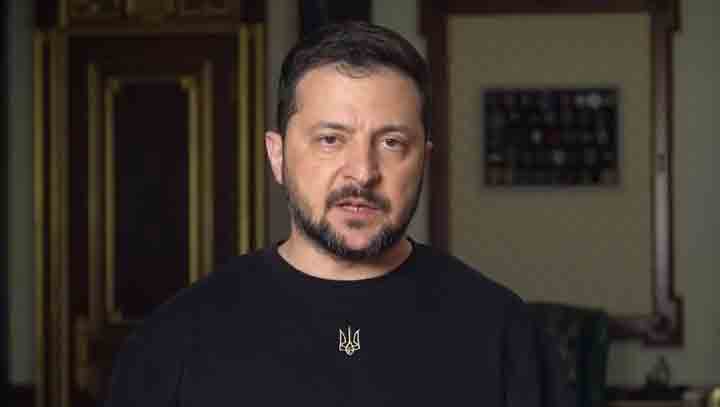
Kyiv, Ukraine , December 15, 2025 : The Ukrainian President Volodymyr Zelensky has announced a major strategic shift in Kyiv’s foreign and security policy, signaling that Ukraine is stepping back from its long-standing pursuit of NATO membership in favor of robust security guarantees from Western allies amid the ongoing war with Russia.
The decision was revealed during a virtual high-level meeting involving NATO Secretary General Jens Stoltenberg and Former U.S. President Joe Biden, where Zelensky emphasized the need for immediate, enforceable security assurances rather than prolonged uncertainty over NATO enlargement.
Under the proposed framework, Ukraine would seek bilateral and multilateral defense agreements modeled on arrangements enjoyed by Israel, including long-term military aid, access to advanced weaponry, intelligence-sharing mechanisms, and the possible deployment of rapid-response forces near Ukraine’s borders. Zelensky described the approach as a “pragmatic response to reality”, citing stalled NATO accession talks and growing domestic war fatigue after years of conflict.
Despite the policy shift, the Ukrainian leader reaffirmed that Ukraine will not concede any occupied territory to Russia as part of the arrangement. “Security guarantees cannot come at the cost of sovereignty,” Zelensky said, according to officials familiar with the discussions.
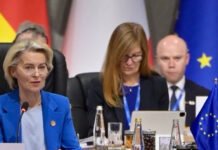
European Union nations, including Germany and France, are reportedly considering 10-year defense and reconstruction aid packages totaling nearly €50 billion, aimed at ensuring Ukraine’s long-term deterrence capability. EU High Representative Josep Borrell and UK Prime Minister Keir Starmer were among Western leaders involved in consultations on the proposal.
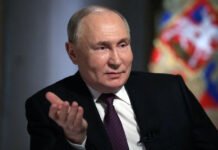
Russia dismissed the move outright. Foreign Minister Sergey Lavrov labeled the proposed security guarantees “illusory,” warning that any Western military presence near Ukraine would be viewed as a direct provocation.
Adding to the growing sense of urgency, MI6 Chief Sir Richard Moore cautioned that Russia is expanding its hybrid warfare tactics, including cyberattacks targeting European energy grids, telecommunications, and critical infrastructure.
Analysts say Zelensky’s pivot reflects an adaptive survival strategy, allowing Ukraine to secure tangible defense commitments while avoiding political deadlock over NATO expansion. The move could reshape Eastern European security architecture, potentially setting a precedent for alternative alliance structures outside the traditional NATO framework.