Kolkata | November 29, 2025:
The Election Commission of India (ECI) has identified nearly 15 lakh invalid voter entries in West Bengal as part of its ongoing Special Intensive Revision (SIR) of the electoral rolls, triggering a major political confrontation ahead of the high-stakes 2026 Assembly elections. The statewide verification drive, launched on October 28, 2025, seeks to authenticate 7.5 crore voters across 294 constituencies through Aadhaar linkage, physical verification, and digital cross-checking.
According to official data, the ECI has confirmed that 12 lakh deletions pertain to voters who died after the 2021 Assembly elections, while another 3 lakh entries are suspected duplicates or fake registrations. To carry out the task, the Commission deployed 1.2 lakh Booth Level Officers (BLOs) and increased their daily stipends to ₹1,500. However, concerns mounted after 18 BLOs reportedly died due to exhaustion, highlighting the human cost of the huge administrative exercise.
Chief Election Commissioner Gyanesh Kumar , addressing reporters , defended the cleanup operation, emphasizing that the Supreme Court has repeatedly directed the ECI to ensure error-free electoral rolls. “Our mandate is transparency and accuracy. Genuine voters need not fear,” he said.
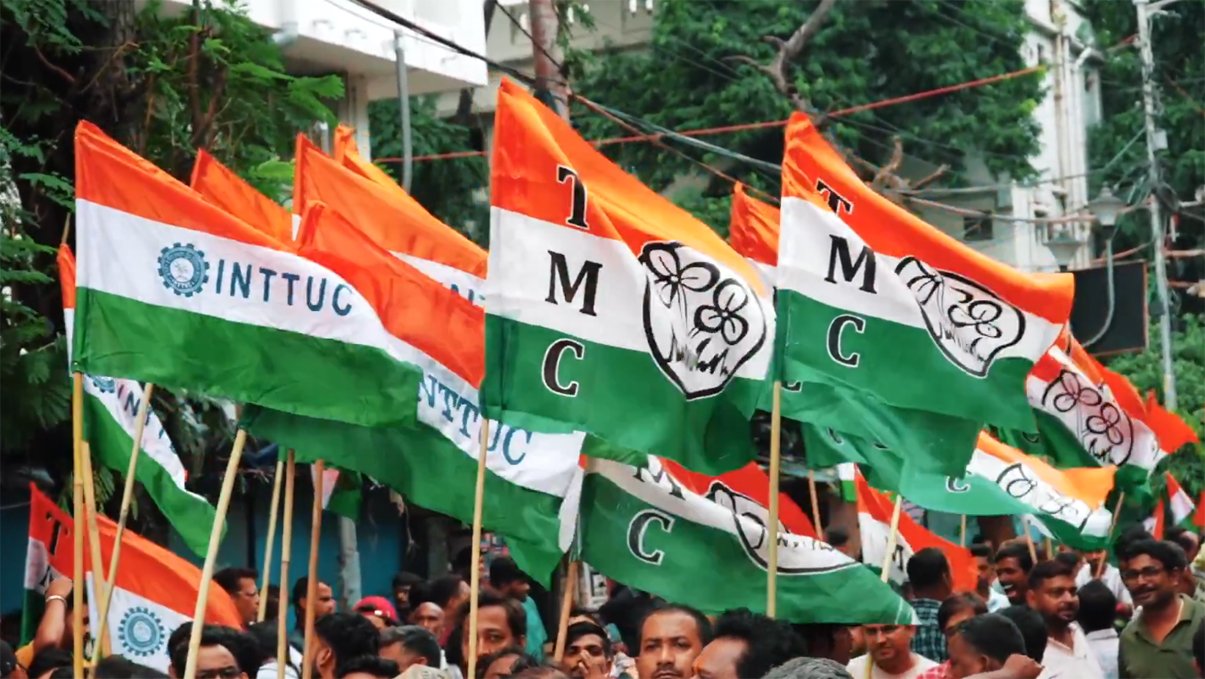
But the move sparked an immediate backlash from the Trinamool Congress (TMC). Party chief and Chief Minister Mamata Banerjee led a massive 50,000-strong protest march in Howrah, alleging that the deletions disproportionately target marginalized and minority communities. She accused the Bharatiya Janata Party (BJP) of influencing the process to suppress nearly 20 lakh Muslim voters in Murshidabad and Malda.
Union Home Minister Amit Shah dismissed TMC’s claims, citing internal data that allegedly shows 40% bogus votes in certain constituencies during the 2021 polls. Shah further announced future deployment of advanced verification tools such as facial recognition and AI-based roll authentication.
The SIR has added 8 lakh first-time voters so far, but the state still recorded a net deletion rate of 5%. Analysts warn that regions with low Aadhaar penetration—such as Bankura, where only 60% of voters are linked—could face greater exclusion. CPI(M) leader Mohd Salim accused the ECI of overlooking rural realities that could swing up to 25 seats in the upcoming polls.
Civil society groups and the Association for Democratic Reforms (ADR), which estimates 2 crore invalid voters nationwide, say West Bengal’s case underscores a nationwide urgency for electoral reforms. Meanwhile, protests have halted verification work in around 500 booths, delaying the timeline.
The ECI’s online portal for claims and objections has already processed 2 lakh appeals, while the SIR has been extended to December 20. Economists note rising administrative costs, with the revision already crossing ₹500 crore, and highlight the precarious situation of BLOs who earn around ₹20,000 per month.
Experts such as Yogendra Yadav predict that judicial intervention may be inevitable if political tensions escalate further. While the ECI asserts that the cleanup could raise voter turnout to 75%, critics warn that aggressive deletions risk undermining public trust in the electoral system.