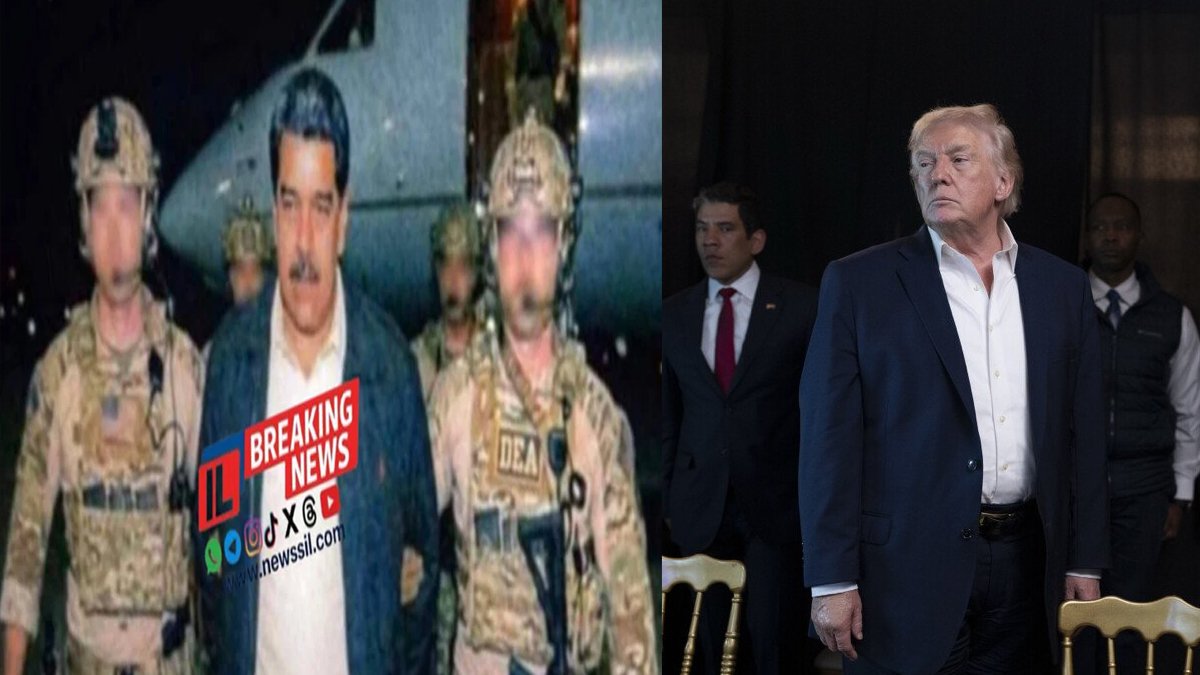
New York / Caracas | January 4, 2026
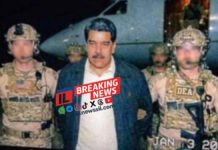
Venezuelan President Nicolás Maduro and his wife, Cilia Flores, were taken into custody during a US military operation and transferred to New York, where Maduro is expected to face charges related to narcoterrorism and drug trafficking, according to multiple international media reports.
The operation, reportedly codenamed “Absolute Resolve,” involved US special forces entering Caracas and securing Maduro from his official residence. Limited military activity, including explosions and low-flying aircraft, was reported in parts of the Venezuelan capital during the operation.
US officials stated that Maduro will be prosecuted in a federal court in New York under long-standing indictments connected to alleged links between senior Venezuelan officials and international drug trafficking networks.
Venezuela Names Interim Leader
Venezuela’s Vice President Delcy Rodríguez condemned the operation, calling it an “illegal abduction” and a violation of national sovereignty. Following Maduro’s removal, Venezuela’s Supreme Court announced Rodríguez as interim president, citing constitutional continuity.
The Venezuelan government has not confirmed Maduro’s current legal status in the United States, but officials insist the detention was carried out without international authorization.
US Response and Policy Signals
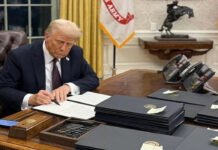
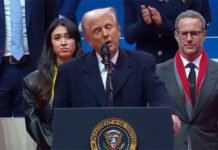
US President Donald Trump, commenting on the development, said the United States would oversee Venezuela’s governance until a “fair and orderly transition” takes place. He also indicated that US energy companies could seek expanded investment opportunities in Venezuela’s oil sector once political stability is restored.
Global Reaction
The detention of a sitting head of state has triggered sharp international reactions. Some governments and legal experts have raised concerns over the precedent set by direct military intervention, while others argue the move reflects years of unresolved international legal actions against the Maduro administration.
Analysts warn that the situation could escalate regional tensions in Latin America and prompt renewed debates over sovereignty, international law, and the scope of US foreign policy enforcement.