Washington, D.C. | January 3, 2026
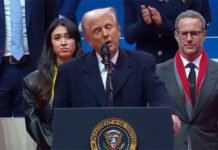
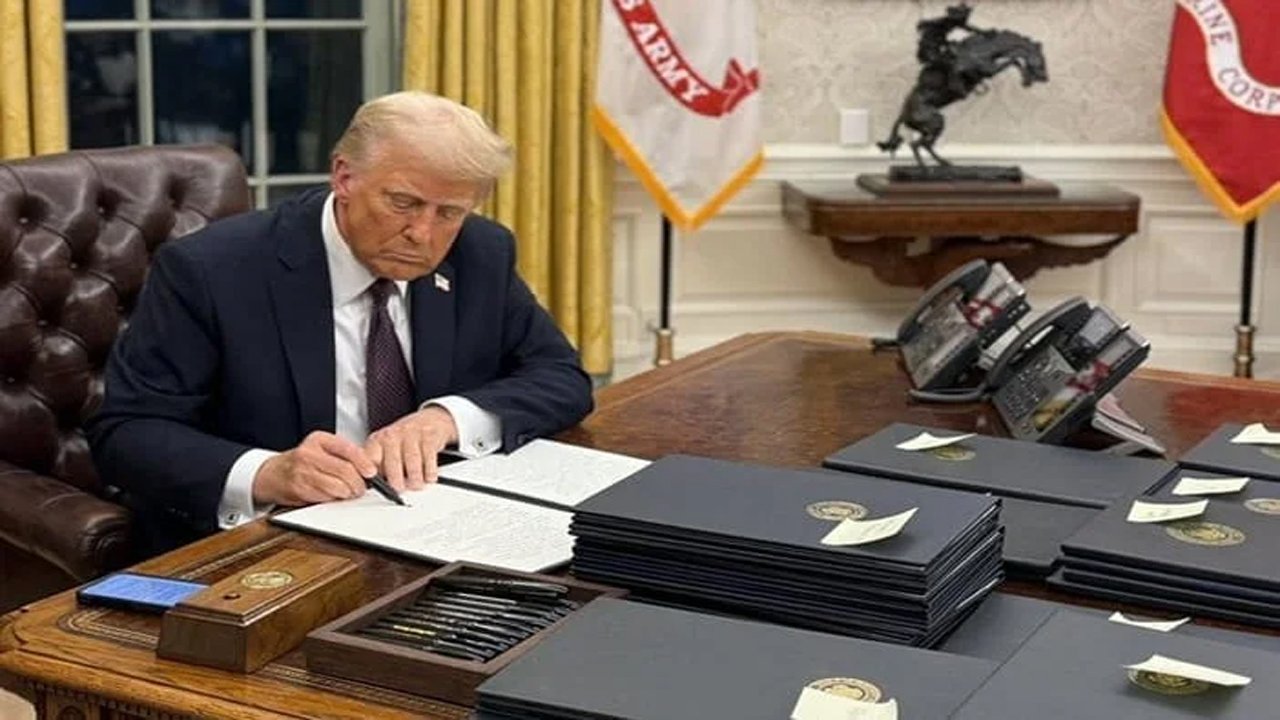
US-Iran relations have intensified as President Donald Trump issued a stark warning to Tehran amid ongoing protests, stating the United States is “locked and loaded” and prepared to “rescue” demonstrators if Iranian authorities take aggressive action.
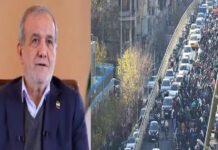
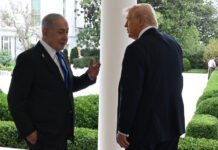
Iran responded defiantly, designating US military bases as legitimate targets and urging the United Nations to address what it described as Trump’s “reckless threats.” Iranian officials accused the US and Israel of inflaming the protests, which initially emerged from domestic grievances over economic and social issues.
No major US troop movements have been reported yet, but analysts caution that the rhetoric increases the risk of broader Middle East conflict. Trump’s statements mark an assertive early stance in 2026 foreign policy, potentially signaling US readiness to intervene if violence escalates against protesters.
The United Nations has not issued an official response, and both sides show little sign of immediate de-escalation. Observers warn that the escalating tensions could affect global oil markets, regional stability, and diplomatic relations, reviving longstanding US-Iran hostilities.
As the situation develops, international attention is focused on Tehran’s streets and Washington’s next diplomatic or military moves, highlighting the fragile balance of security in the Middle East.