Moscow, Russia — Tuesday, December 2, 2025 :
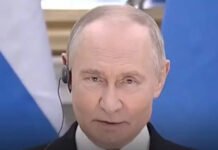
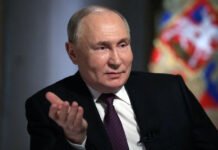
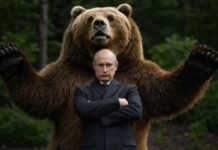
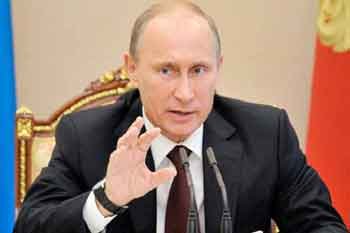
A critical diplomatic push for peace in Ukraine collided with escalating battlefield brutality today, as Russian President Vladimir Putin hosted U.S. negotiators Steve Witkoff and Jared Kushner in Moscow to discuss the Trump administration’s controversial peace framework.
The meeting took place as reports confirm Russia seized an estimated 505 square kilometers (195 sq mi) of Ukrainian territory in November—nearly doubling the gains from the previous month, according to the open-source DeepState mapping project. The aggressive advances are centered in Donetsk, and were underscored by a deadly Iskander missile strike on Dnipro yesterday, which tragically killed four civilians and injured 40 others.
Fragile Diplomacy and Fierce Rejection
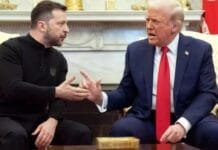
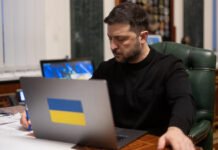
The proposed U.S. peace framework—which reportedly includes territorial concessions to Russia and calls for European-funded reconstruction—was vehemently rejected by Ukrainian President Volodymyr Zelenskyy during a press conference in Dublin with Irish Taoiseach Micheál Martin. Zelenskyy deemed the plan as “rewarding aggression,” insisting that Ukraine will accept nothing less than the full restoration of its sovereignty.
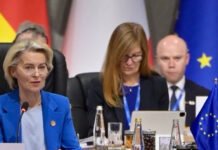
The Kremlin simultaneously boasted of capturing a key city in the Donetsk region, further raising the stakes ahead of the talks. The diplomatic tension extends to NATO, where Admiral Giuseppe Cavo Dragone publicly advocated for pre-emptive strikes on Russian drone facilities, signaling a major policy split among Western allies.
U.S. Political Turmoil
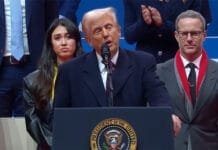
Compounding the global unrest, the Trump administration executed a sweeping domestic action yesterday, firing eight immigration judges in New York City. This move, defended by U.S. Defense Secretary Pete Hegseth as part of a broader government efficiency drive, has drawn sharp criticism from the American Immigration Lawyers Association for allegedly undermining due process and the independence of federal courts.
The convergence of military escalation, fragile diplomacy, and political upheaval has triggered economic ripples, including a 2% surge in global oil prices. Meanwhile, major powers like China and India have weighed in, with Beijing decrying U.S. “hegemony” and New Delhi pushing for multilateral talks at the UN to resolve the global crisis.