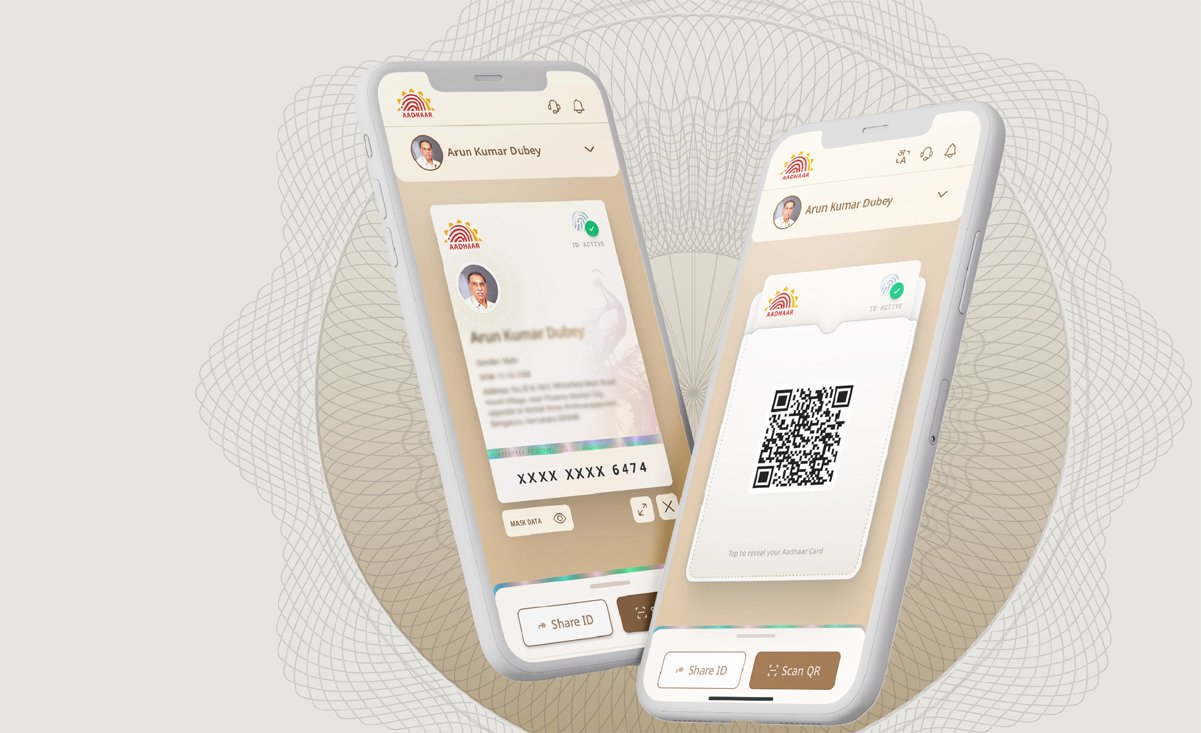
New Delhi : Hotels, event organizers, and similar entities will soon be barred from collecting and storing photocopies of customers’ Aadhaar cards, as the Unique Identification Authority of India (UIDAI) gears up to notify a groundbreaking new rule aimed at curbing privacy violations and promoting digital verification. This move enforces Section 8A of the Aadhaar Act, which already prohibits such paper-based practices, and introduces secure alternatives like QR code scanning and a forthcoming Aadhaar mobile app.
UIDAI CEO Bhuvnesh Kumar announced that the authority has approved the framework, mandating registration for Offline Verification Seeking Entities (OVSEs)—including hotels, housing societies, and event planners. Once registered, these entities will gain access to an Application Programming Interface (API) to integrate seamless Aadhaar checks into their systems, eliminating the need for physical copies that pose risks of data leaks, tampering, and misuse.
“The objective is to discourage paper-based Aadhaar verification,” Kumar told PTI, adding that the rule will be notified shortly, potentially by December 10 following the UIDAI board’s December 1 meeting. The new system addresses operational glitches from intermediary server downtimes, allowing app-to-app authentication without constant pings to the central Aadhaar database.
UIDAI is currently beta-testing the innovative app, which will enable offline verifications via QR scans or direct app connections, ensuring user privacy while complying with the Digital Personal Data Protection (DPDP) Act—set for full enforcement in 18 months. This app will also let users update address proofs, add family members without mobiles via face authentication, and verify age for restricted products at airports or shops—all without paper trails.
The shift promises to slash fraud risks from unauthorized Aadhaar storage, a persistent issue despite the Act’s provisions. For instance, many hotels still demand photocopies for check-ins, inadvertently creating vulnerabilities. With this rule, verifiers get a legal, tech-driven pathway: scan a QR on the Aadhaar card (proposed to show only photo and QR by December 2025 for added security), cross-check digitally, and log consent securely.
Experts hail it as a privacy win, aligning India with global data norms and reducing the 1.3 billion Aadhaar holders’ exposure to breaches. Non-compliant entities face penalties under the Aadhaar Act, up to Rs 10,000 for individuals and Rs 1 crore for companies. As the rule rolls out, UIDAI urges users to report violations via the mAadhaar app or helpline (1947). This digital pivot not only streamlines services but fortifies India’s biometric ecosystem against evolving threats.