
Washington, DC | January 2, 2026
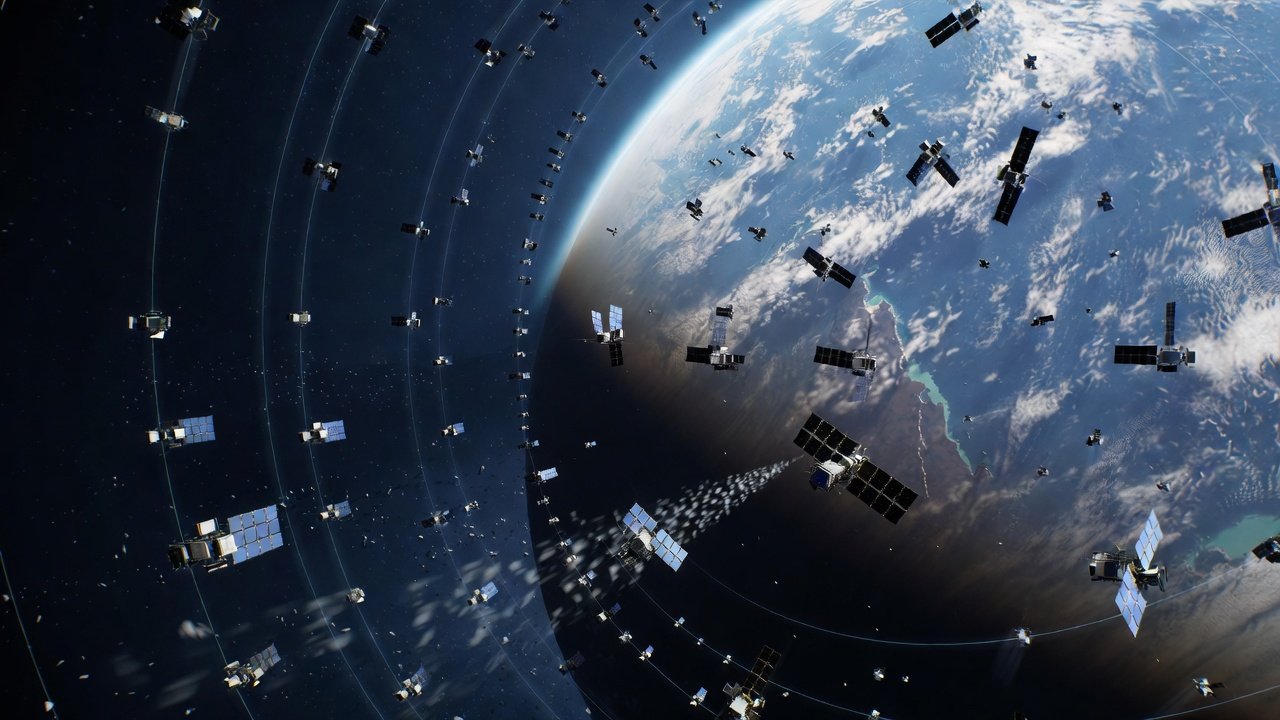
Congestion is no longer limited to roads—space is facing a traffic problem of its own. As low Earth orbit becomes increasingly crowded, Elon Musk’s SpaceX has announced a major step to improve space safety by lowering the orbital altitude of thousands of its Starlink satellites in 2026.
SpaceX’s satellite internet division, Starlink, plans to move satellites currently orbiting at about 550 kilometers (342 miles) above Earth down to a lower and safer altitude of roughly 480 kilometers (298 miles). The company said the transition will be completed within 2026. SpaceX Engineering Vice President Michael Nichols confirmed the timeline while outlining the safety-driven objective behind the move.
Low Earth orbit, once relatively clear, has become densely populated as governments and private companies launch satellites for internet, communication, and surveillance. Starlink alone has deployed nearly 10,000 satellites, making SpaceX the world’s largest satellite operator.
Concerns over space debris intensified after a technical failure in December 2025, when a Starlink satellite malfunctioned and produced debris while in orbit. Although described as a rare incident, the event highlighted the growing risks of collisions and orbital congestion.
According to SpaceX, operating satellites at lower altitudes significantly reduces collision risks, as fewer satellites and debris fragments occupy space below 500 kilometers. Another key benefit is faster deorbiting. Once satellites reach the end of their service life, atmospheric drag at lower altitudes causes them to burn up more quickly, preventing them from lingering in orbit for years as uncontrolled debris.
Space experts and regulators have repeatedly warned that unchecked satellite deployment could jeopardize future space missions. With satellite-based internet services expanding rapidly, low Earth orbit has become a commercial hotspot—and a potential hazard zone.
Once known primarily for rocket launches, SpaceX has now emerged as a dominant force in satellite operations. While the company’s goal remains global high-speed internet coverage, maintaining orbital safety has become equally critical. The planned orbital adjustment is being seen as a significant step toward reducing space clutter and ensuring sustainable use of Earth’s orbit.