MUMBAI — January 8, 2026
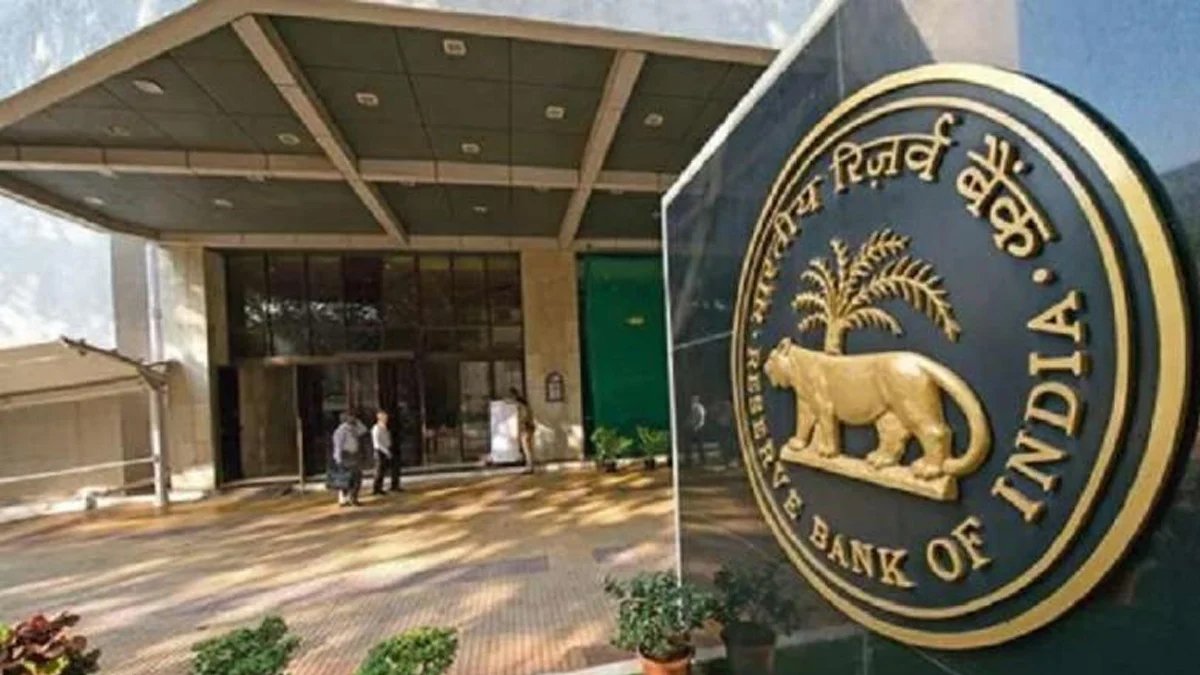
The Reserve Bank of India (RBI) is examining additional relief measures for Indian exporters affected by sharply higher US tariffs, following weak participation in a loan moratorium program introduced late last year, according to banking and industry officials.
Indian exporters have been hit by US tariffs of up to 50%, which include a 25% levy linked to India’s continued purchases of Russian oil. The measures have weighed heavily on labor-intensive sectors such as garments, jewellery, leather goods, and chemicals, industry representatives said.
In November, the RBI allowed eligible exporters with exposure to the US market to defer term loan repayments between September 1 and December 31, 2025. However, fewer than 20% of eligible borrowers applied for the relief, a senior public sector banker said. Many exporters struggled to demonstrate revenue losses by the December deadline, as the full impact of delayed orders had not yet materialized.
US President Donald Trump has warned that tariffs could rise further unless India reduces its imports of Russian crude, a key point of contention in ongoing bilateral trade negotiations. Exporters say the uncertainty has led to deferred contracts, softer order inflows for January, and growing pressure on profit margins.
Bankers familiar with the discussions said the RBI is now considering options such as easing eligibility criteria for relief programs or facilitating subsidized fresh lending to affected exporters. Some within the banking sector argue that direct cash subsidies would be more effective in offsetting business losses and margin erosion than loan deferrals.
Ajay Sahai, chief executive of the Federation of Indian Export Organisations, said exporters are already seeing the impact of the tariffs on new business. “Order visibility has weakened, margins are thinner, and buyers are renegotiating terms,” he said, adding that smaller exporters are particularly vulnerable.
The central bank is consulting with lenders and export promotion agencies to assess order flows and revenue trends for 2026 before finalizing any new measures. Officials say the objective is to strengthen exporter resilience at a time when global trade conditions remain uncertain and geopolitical pressures continue to shape market access.