New Delhi, November 26, 2025:
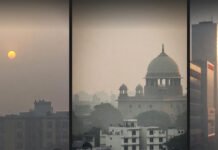
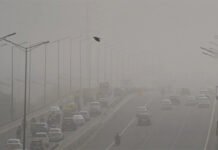
In response to Delhi’s rapidly deteriorating air quality, the Prime Minister’s Office (PMO) on Wednesday issued sweeping directives aimed at curbing vehicular pollution and reducing fossil fuel emissions. With the Air Quality Index (AQI) touching an alarming 450 in several parts of the capital, authorities have been ordered to intensify action against high-emission vehicles, including the impounding of overage diesel models and stricter enforcement of emission norms.
The PMO has also instructed ministries and local bodies to accelerate the expansion of India’s electric vehicle (EV) ecosystem. The measures include fresh incentives for EV manufacturers and expanded subsidies for public charging infrastructure in a bid to reduce dependence on conventional fuel-based mobility.
Delhi continues to face hazardous smog levels due to a mix of crop stubble burning in neighboring states, industrial discharge, and winter inversion layers that trap pollutants close to the surface. Hospitals across the National Capital Region (NCR) report a surge in respiratory ailments, especially among children and senior citizens.
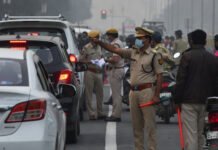
To counter the crisis, Transportation Minister Nitin Gadkari announced that the government will establish 10,000 new EV charging stations by mid-2026, while Delhi Police has intensified enforcement of the odd-even vehicle rationing scheme.
Environmentalists have welcomed the PMO’s intervention, calling it an essential step toward long-term pollution control. However, critics argue that additional measures are required to address construction dust, solid waste burning, and unregulated industrial activity. The National Green Tribunal (NGT) has summoned state governments for urgent compliance reports, stressing the need for sustained policy reforms.
As the city continues to battle toxic air following Diwali festivities and the onset of winter, authorities urge residents to avoid unnecessary outdoor exposure, wear N95 masks, and monitor air quality using real-time AQI applications. Experts say the PMO’s directives could serve as a model for other heavily polluted Indian cities, including Mumbai and Kolkata.