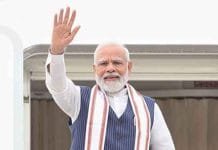
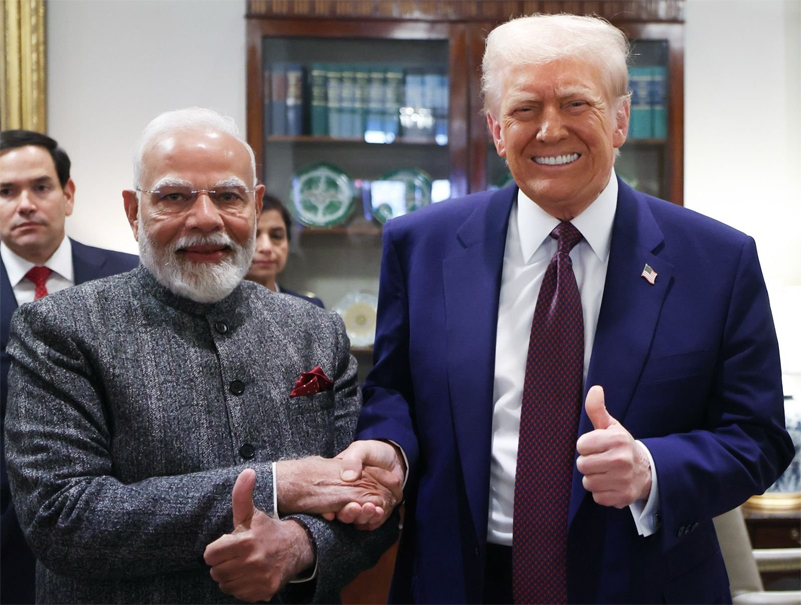
New Delhi / Washington,: The India–US ties received a major diplomatic boost after Prime Minister Narendra Modi and US President Donald Trump held a 45-minute phone call on December 11, reviewing progress in defense cooperation, counterterrorism, trade negotiations, and emerging technologies such as AI and renewable energy.
The leaders reaffirmed their commitment to global peace, Indo-Pacific stability, and inclusive economic growth, signaling a renewed phase of engagement after months of friction over trade imbalances and tariffs.
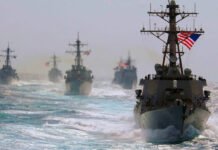
Modi underscored India’s central role in Indo-Pacific security frameworks, stressing the importance of maritime cooperation with the United States amid rising regional tensions. Trump, meanwhile, highlighted opportunities for joint ventures in technology, clean energy, and advanced manufacturing, pointing to the strategic value of expanding bilateral investment.
The call comes shortly after Trump signed a sweeping executive order on AI regulations, which could have direct implications for India’s IT and outsourcing sector—home to many firms that provide AI development and compliance services for US companies.
Senior officials on both sides are now moving into follow-up discussions. Indian External Affairs Minister S. Jaishankar briefed Modi on the strategic implications of the call, while US Secretary of State Antony Blinken has been tasked with coordinating next steps on defense agreements and trade proposals.
Both nations reaffirmed their intention to fast-track a mini-trade deal by Q1 2026, with analysts saying the agreement could unlock $10 billion in new investments, especially in defense production, semiconductors, energy, and digital trade.
However, concerns persist over US tariffs on Indian steel, which threaten nearly 500,000 Indian jobs. Trade experts warn that unless the issue is addressed in upcoming negotiations, it may complicate progress despite the positive tone of the call.
Geopolitical analysts describe the conversation as a strategic alignment move by New Delhi, aimed at counterbalancing China’s regional expansion while leveraging Washington’s recalibrated Indo-Pacific priorities.
The call signals a renewed diplomatic tempo heading into 2026, with both capitals keen to translate goodwill into concrete policy outcomes.