New Delhi l November 30, 2025 :
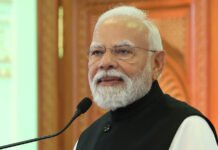
Prime Minister Narendra Modi delivered the 128th episode of his monthly radio program Mann Ki Baat on November 30, 2025, offering a reflective and wide-ranging message that connected India’s cultural heritage with contemporary challenges and the nation’s growing global responsibilities. Broadcast live from New Delhi, the episode attracted more than 5 million real-time listeners and quickly trended across social media platforms, especially X (formerly Twitter), where hashtags related to Kashi Tamil Sangamam and Mann Ki Baat dominated India’s trending list for hours.
A Month of “Inspiration”
Modi opened the address by describing November as a “month of inspirations,” citing festivals, historical anniversaries, and community-driven initiatives that embody India’s spirit of resilience and collective progress. He underscored how such moments strengthen the nation’s emotional fabric and motivate citizens toward nation-building.
Focus on Kashi Tamil Sangamam: Celebrating Civilizational Bonds
At the heart of Modi’s address was the upcoming 4th Kashi Tamil Sangamam, set to begin on December 2 at Varanasi’s scenic Namo Ghat. Themed “Tamil Karkalam” (Learn Tamil), the event aims to deepen ties between the ancient cultures of Kashi and Tamil Nadu—two of India’s oldest living civilizational centers.
Modi highlighted that the Sangamam will bring together over 1,000 participants, including scholars, students, artists, spiritual leaders, and cultural practitioners. The month-long festival will feature seminars on classical languages, traditional art showcases, interfaith dialogues, and immersive heritage tours. The Prime Minister emphasized that fostering linguistic respect—particularly for classical languages like Tamil—strengthens India’s unity in diversity.
He noted that such programs revive millennia-old connections, promote cultural federalism, and inspire younger generations to value the richness of India’s plural identity. The initiative is being supported by the Uttar Pradesh government under Chief Minister Yogi Adityanath, with backing from Tamil cultural institutions and central ministries.
Grassroots Innovations and Women-Led Change
Shifting focus from cultural heritage to local empowerment, Modi praised tribal women’s self-help groups (SHGs) in Odisha, who are using solar-powered devices to bring sustainable electrification to remote areas. These women, he said, represent the “quiet revolution” taking place in rural India, where technological adoption and community leadership are reshaping livelihoods.
Modi narrated instances of SHGs installing solar lamps, maintaining micro-grids, and training other women in basic electrical repair—an example of gender-inclusive economic progress and India’s shift toward renewable energy solutions.
Youth Leadership in Times of Crisis
In an emotional segment, the Prime Minister acknowledged the contributions of India’s youth during Cyclone Ditwah, which recently impacted coastal regions. From organizing relief distribution to participating in evacuation drives and setting up temporary shelters, thousands of young volunteers joined relief efforts.
Modi said the spirit displayed by the youth “goes beyond duty,” showcasing a generation committed to compassion, resilience, and environmental responsibility. He encouraged young listeners to take pride in their role as first responders during national emergencies.
Global Challenges and India’s Climate Commitments
Addressing global concerns, Modi reiterated India’s commitment to climate action, linking local efforts to international obligations highlighted during India’s ongoing G20 initiatives. He emphasized that climate resilience must emerge from both top-down policy and bottom-up community participation.
He referenced India’s progress in renewable energy, sustainable agriculture practices, and disaster management reforms, noting that the world increasingly looks to India for leadership in climate justice and equitable development.
Social Media Buzz and Political Context
Following the broadcast, Mann Ki Baat sparked extensive conversations online. Supporters highlighted Modi’s focus on cultural harmony, grassroots innovation, and youth leadership. Analysts noted the program’s increasing relevance as a tool for public outreach amid ongoing debates on digital governance and Aadhaar-related policy changes in Maharashtra.
Political observers also pointed out that the program underscores the government’s emphasis on integrating cultural initiatives with national narratives of progress.
A Continued Voice for National Sentiment
In closing, Modi encouraged citizens to participate actively in cultural exchanges, promote linguistic appreciation, and support local innovators driving change in their communities. The episode—lasting approximately 30 minutes—reinforced Mann Ki Baat’s role as a platform that bridges government policy with public sentiment, blending tradition with modern aspirations.