Tehran / Washington | January 3, 2026
Iran’s Supreme Leader Ayatollah Ali Khamenei declared on Friday that the country will not yield to internal unrest or external pressure from the United States, as deadly protests continued to spread across multiple Iranian cities.
In a nationally broadcast address, Khamenei said Iran would remain resilient despite mounting demonstrations fueled by economic hardship, restrictions on women’s rights, and dissatisfaction with government policies. He accused foreign powers of attempting to destabilize the country, without naming specific nations during the speech.
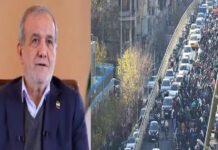
The comments come as protests intensified in major urban centers including Tehran and Isfahan, where clashes between demonstrators and security forces have resulted in multiple reported deaths. Authorities have not released an official nationwide toll, while state media described the unrest as being driven by “foreign-backed agitation.”
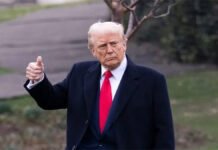
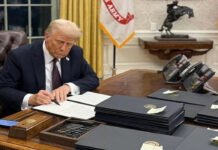
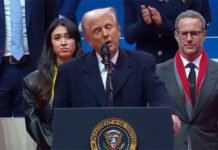
US President Donald Trump responded by warning that Washington could intervene if Iranian authorities “violently” suppress protesters. Trump accused Tehran of destabilizing the Middle East and said the United States was closely monitoring developments.
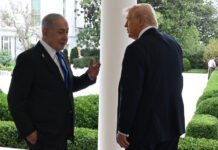
Iranian officials rejected the accusations, instead blaming the United States and Israel for encouraging unrest through what they described as covert interference. The Iranian government has repeatedly denied allegations of human rights abuses, stating that security forces are acting to maintain public order.
The escalating situation has raised concerns among global observers about rising US-Iran tensions, potential new sanctions, and broader regional instability. Analysts warn that prolonged unrest could also disrupt energy markets, as Iran remains a key player in global oil supply chains.
As demonstrations continue, the crisis underscores the fragile balance between domestic dissent and geopolitical rivalry in the Middle East.