Tehran, Iran — December 30, 2025
Iran Faces Its Biggest Economic Unrest Since 2022 Mahsa Amini Protests
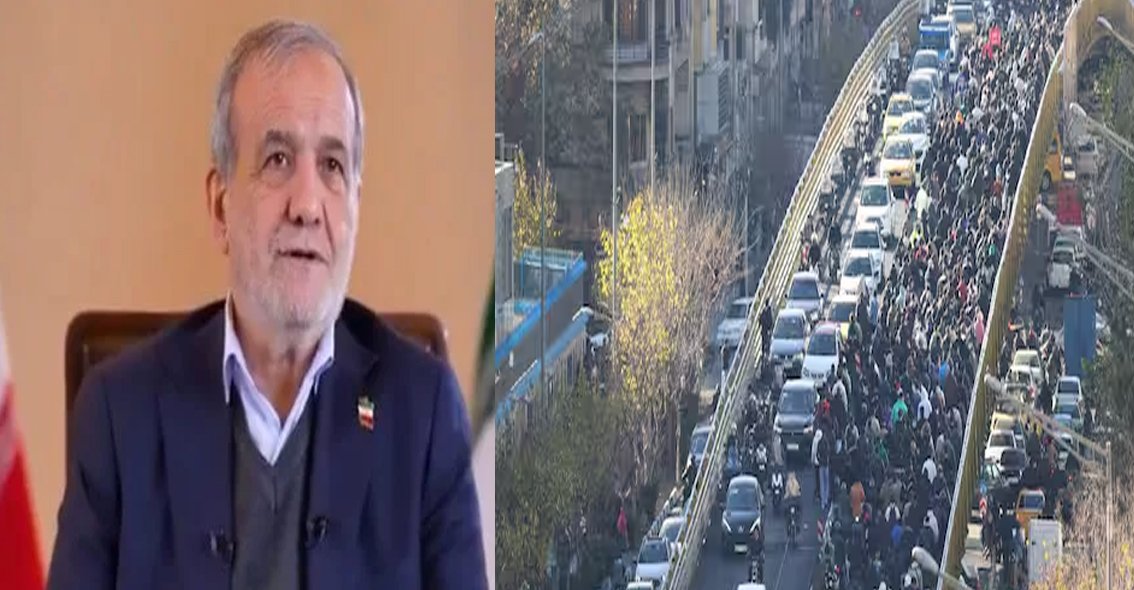
Iran is witnessing its largest wave of civil unrest since the 2022 Mahsa Amini protests, as a deepening economic crisis pushes thousands of citizens and traders onto the streets. Large-scale demonstrations erupted Monday in multiple Iranian cities, driven by the historic collapse of the national currency, soaring inflation, and mounting pressure on household incomes.
Authorities remain on high alert as protests continue to spread beyond the capital.
Rial Plunges to All-Time Low Amid Runaway Inflation
At the heart of the crisis is the Iranian rial’s unprecedented fall against the US dollar. On Monday, the currency reportedly slipped to around 1.42 million rials per dollar, marking its lowest level on record. By contrast, during the 2015 nuclear deal era, the exchange rate stood near 32,000 rials per dollar.
The sharp depreciation has intensified inflation across the economy. Prices of essential goods, food items, and daily necessities have surged, placing severe strain on middle- and low-income families. Reports of planned tax increases ahead of the Iranian New Year starting March 21 have further fueled public anger, while recent adjustments in fuel prices have added pressure on transportation and logistics costs nationwide.
Market Shutdowns and Trader Strikes Signal Escalation
The protests, which began in Tehran, have rapidly spread to major urban centers including Isfahan, Shiraz, and Mashhad. A significant development in the current unrest is the active participation of the business community.
Shopkeepers in Tehran’s historic Grand Bazaar, along with traders in other key commercial districts, reportedly shut their shops and joined strike actions. Analysts note that the involvement of merchants carries historical significance, recalling their influential role during the 1979 Islamic Revolution.
Political Fallout as Central Bank Chief Resigns
The economic turmoil has already triggered political consequences. Mohammad Reza Farzin, Governor of the Central Bank of Iran, resigned amid mounting criticism over the currency collapse and rising public anger.
Security forces deployed riot police and tear gas in parts of Tehran to disperse crowds, according to local media and social media footage. Protesters were heard chanting anti-government slogans, highlighting the scale of public frustration.
President Signals Dialogue Amid Rising Pressure
Iranian President Masoud Pezeshkian, who has adopted a comparatively moderate tone, has urged restraint. State news agency IRNA reported that he instructed the interior minister to listen to the legitimate demands of protesters and engage with their representatives to seek solutions.
How This Crisis Differs From 2022 Protests
Experts point out that while the 2022 “Women, Life, Freedom” movement centered on social rights and civil liberties, the current unrest is driven primarily by systemic economic failure, prolonged sanctions, and declining living standards.
As of Tuesday, the situation remains tense, with international observers closely monitoring the economic and political stability of Iran and the broader Middle East.