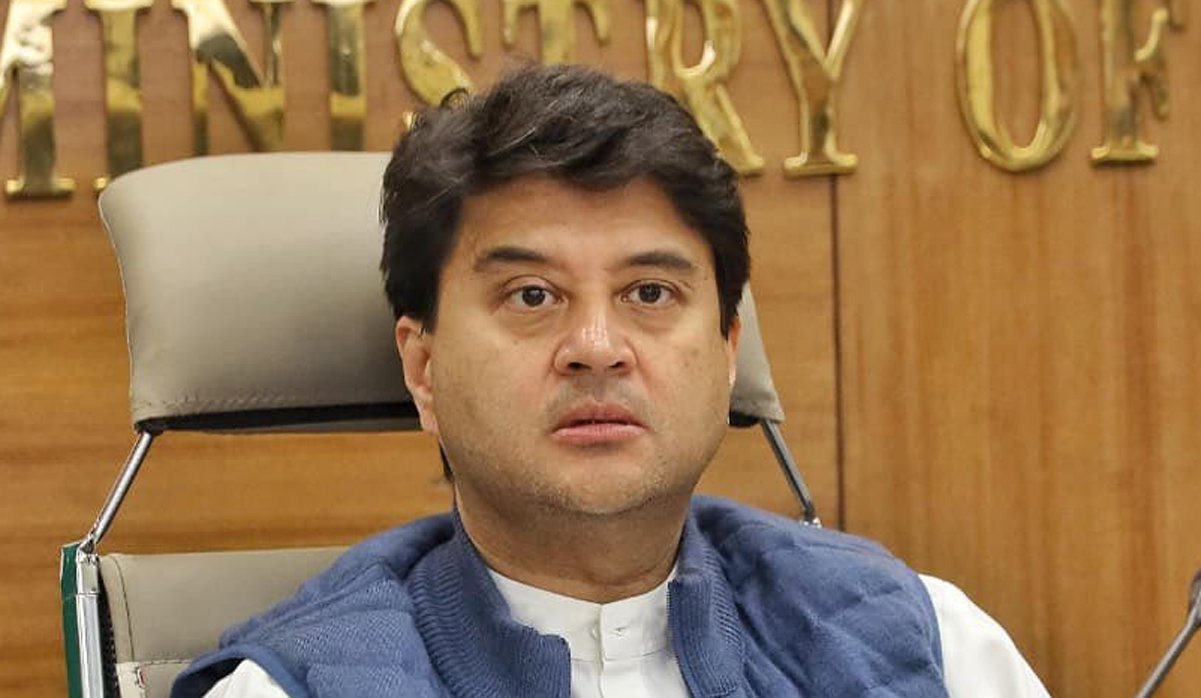
New Delhi, India – December 3, 2025 :
The Ministry of Communications, headed by Minister Jyotiraditya Scindia, has reversed its controversial decision to require mandatory pre-installation of the Sanchar Saathi app on all newly manufactured smartphones in India. The rollback comes just days after intense criticism from digital rights organizations, industry stakeholders, and opposition parties, who argued that the mandate posed serious privacy and surveillance risks.
Sanchar Saathi, developed to help users track lost devices, identify fraudulent mobile connections, and report suspicious activity, was initially introduced as a tool to strengthen consumer safety. However, the directive to pre-install the app on all smartphones triggered widespread concerns about potential government overreach, misuse of user data, and the absence of explicit consent mechanisms.
Public Backlash Forces a Rapid U-Turn
Following strong resistance from civil liberties groups, cybersecurity researchers, and political leaders, the ministry withdrew the mandate, saying that while the app remains voluntary and beneficial, user choice cannot be compromised. Critics argued that a compulsory installation would have allowed the state unprecedented access to device data and raised questions about long-term implications for India’s digital rights framework.
Opposition parties accused the government of attempting to introduce “invisible surveillance infrastructure,” while industry experts highlighted that pre-installed apps—often called bloatware—are typically difficult to remove and may expose users to security vulnerabilities.
Ongoing Debate on India’s Data Protection Landscape
The withdrawal adds new momentum to ongoing national debates around data protection, digital autonomy, and user consent in a rapidly digitizing economy. Analysts say the backlash underscores rising public awareness about privacy rights, especially after recent discussions around India’s Digital Personal Data Protection Act.
Policy observers note that the government faces a delicate challenge in balancing digital security initiatives with citizen privacy expectations. “Security cannot come at the cost of transparency,” a digital rights researcher commented.
DoT Working on Caller Name Display Requirement
In parallel, the Department of Telecommunications (DoT) is moving ahead with another major reform: a plan to mandate caller name display for all KYC-verified Indian numbers. The feature, expected to roll out in the coming months, aims to reduce spam calls, impersonation attempts, and digital fraud—problems that have surged with the expansion of quick commerce and fintech platforms.
Telecom operators are currently evaluating the technical framework needed for seamless integration across networks and devices.