New Delhi, India : In a landmark move that could reshape India’s artificial intelligence regulations, a high-level government panel has recommended mandatory royalty payments from AI companies to creators whose copyrighted works are used to train machine learning models. The proposal aims to strike a balance between AI innovation and intellectual property protection as India’s AI market surges past $10 billion.
Submitted to the Ministry of Electronics and IT (MeitY), the report calls for royalties ranging from 5% to 15% of revenue, depending on the extent of copyrighted material used in training. The compensation framework would be overseen by a dedicated regulatory authority, with strict penalties for non-compliance. The policy would apply across text, images, music, and audiovisual content, addressing longstanding complaints from Indian authors, filmmakers, and musicians.
A Push for “Atmanirbhar AI” that Protects Local Talent
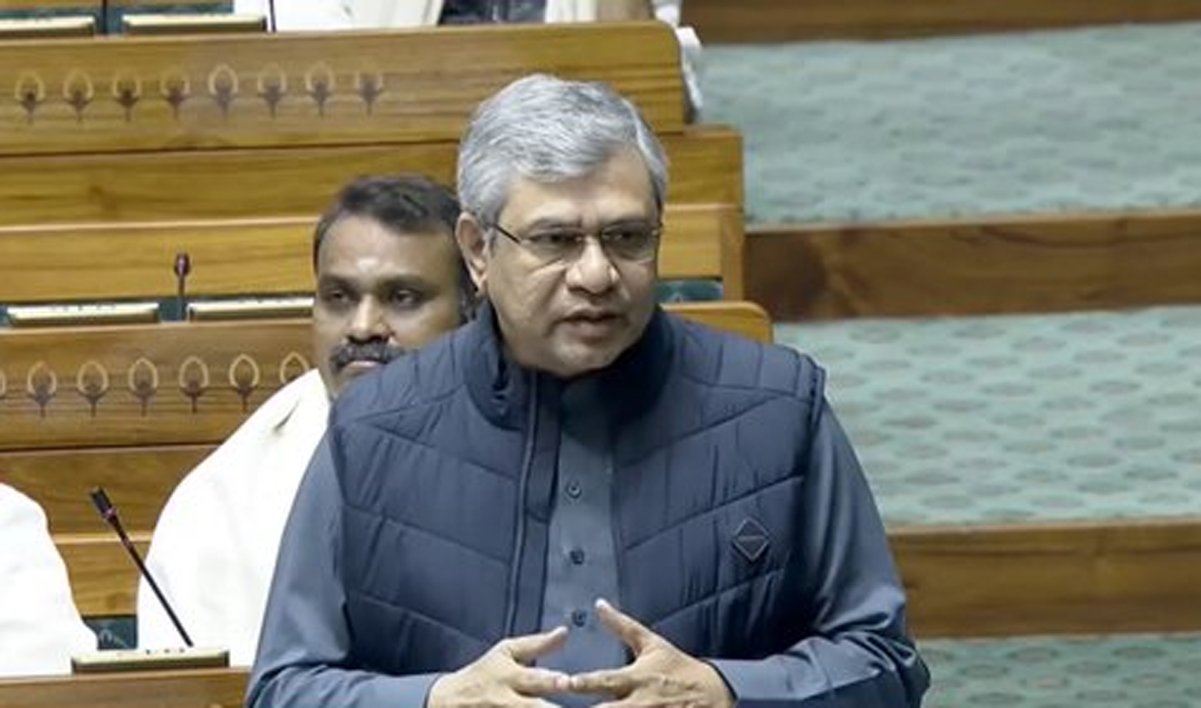
IT Minister Ashwini Vaishnaw described the initiative as part of India’s vision for “Atmanirbhar AI”—a self-reliant, ethical AI ecosystem that respects creative ownership. He cited growing concerns over unauthorized scraping of Bollywood film scripts, regional literature, and artistic works to train global AI models without permission or compensation.
Panel Chair and former minister Rajeev Chandrasekhar emphasized that the recommendation reflects India’s intent to lead global conversations on AI ethics, at a time when nations are debating how to regulate training data and model transparency.
Industry Divided Over Royalty Mandate
While the proposal has gained significant traction among creators and digital rights groups—trending widely on X under tags like #PayCreators—it has also sparked concern across the tech industry.
Major firms such as Google and Microsoft warn that mandatory royalties could sharply increase operational costs and slow AI adoption. Startups, meanwhile, argue that steep royalties may stifle R&D, making it difficult to compete with global competitors.
The timing is critical: India’s IndiaAI Mission, targeting 10,000 GPU clusters by 2026, aims to transform the country into a global AI innovation hub. Industry leaders worry that added compliance burdens may slow momentum, especially for emerging AI labs and small-scale developers.
Implementation Expected by Mid-2026
If approved, the policy is slated for rollout by mid-2026, potentially positioning India as one of the first major countries to mandate legally enforceable compensation for AI training data.
Key Facts
Royalty range: 5–15% of revenue from AI products
Applies to text, images, music, film content
Enforcement via a new regulatory body
Expected implementation: mid-2026
Sector valuation: $10 billion AI industry in India
The proposal marks a pivotal shift in India’s tech governance, reinforcing creator rights while signaling that AI companies must operate with ethical transparency. As global AI adoption accelerates, India’s stance may set a precedent for emerging markets navigating the complex intersection of innovation and intellectual property.