New Delhi : In a dramatic escalation of tensions between the Opposition and judiciary, more than 100 Members of Parliament from the INDIA bloc on Tuesday submitted an impeachment motion against Justice G.R. Swaminathan of the Madras High Court. The motion, delivered to Lok Sabha Speaker Om Birla, marks one of the most serious confrontations involving a sitting High Court judge in recent years.
The move follows Justice Swaminathan’s December 1, 2025, order permitting Hindu devotees to light the traditional Karthigai Deepam lamp atop Thiruparankundram Hill in Madurai. The ritual—carried out near a dargah—was described by the judge as an “integral part of Tamil Hindu culture.” His ruling rejected objections claiming religious interference and directed temple authorities to facilitate the centuries-old practice.
Opposition Accuses Judge of Bias; BJP Calls Motion “Political Vendetta”
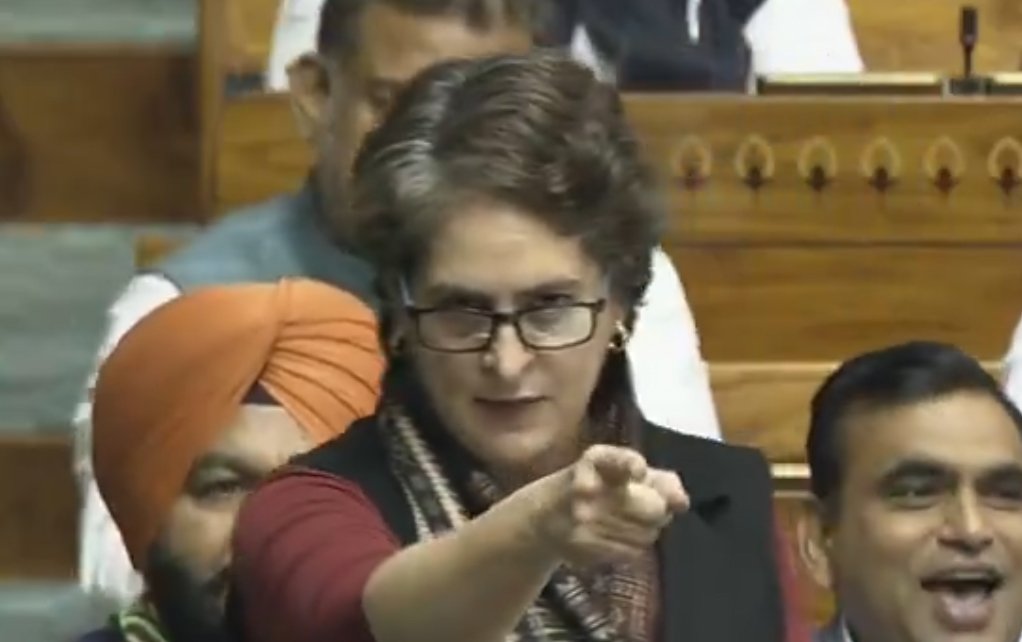
Leaders from the INDIA bloc—including Priyanka Gandhi Vadra, Akhilesh Yadav, and Kanimozhi—argued that the ruling reflected judicial overreach and could jeopardize secular harmony at a sensitive multi-faith pilgrimage site. Tamil Nadu Chief Minister M.K. Stalin also backed the effort, calling the order “deeply troubling.”
The BJP, however, dismissed the impeachment bid as a “politically motivated attack on judicial independence,” questioning whether reaffirming cultural traditions could be construed as misconduct.
The hill is home to the revered Subramaniya Swamy Temple, and Karthigai Deepam—symbolizing the victory of light over darkness—has been observed there for centuries. Supporters of the judge argue that safeguarding traditional practices is well within judicial purview.
Impeachment Process May Be Lengthy
Under parliamentary procedure, an impeachment notice must carry signatures from at least 100 MPs before being examined by the Speaker. As of Tuesday evening, Speaker Om Birla had not publicly acknowledged the motion.
Legal experts anticipate a prolonged review process, which could eventually reach the Rajya Sabha for final consideration. If admitted, the case may require a committee inquiry into allegations of judicial bias—an exceedingly rare step in Indian parliamentary history.
Parliament Winter Session Inflamed
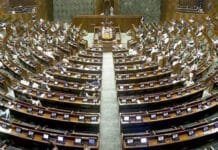
The impeachment attempt added fuel to an already volatile Winter Session, which has seen heated confrontations over electoral reforms, Aadhaar-voter ID linkage, and national security issues.
With political alliances shifting ahead of the 2026 state elections, analysts say the move could significantly alter Opposition strategy in Tamil Nadu and beyond, framing the debate around religion, judicial accountability, and federalism.
Attendance in Parliament has remained muted, partly due to earlier suspensions of 26 Opposition MPs, reflecting the chamber’s deepening polarization.
As the Winter Session continues until December 22, the impeachment proposal is expected to dominate discussions—potentially reshaping political equations and setting a precedent in the ongoing push-and-pull between judiciary and legislature in India’s democracy.