Brussels | December 18, 2025
The European Union has adopted a carefully calibrated strategy in response to sweeping US tariffs imposed during President Donald Trump’s second term, blending targeted retaliation with diplomatic engagement to prevent a full-scale transatlantic trade war.
The dispute reignited in February–March 2025, when Washington reimposed and expanded 25% Section 232 tariffs on steel and aluminum, extending duties to derivative products. The measures affected an estimated €26 billion worth of EU exports, with automobiles and broader reciprocal tariffs also placed under threat.
EU Retaliation: Targeted but Phased
Brussels responded swiftly but strategically. From April 1, 2025, the EU reinstated previously suspended rebalancing tariffs first introduced in 2018 and 2020. These included 10–50% duties on iconic US products such as:
Bourbon whiskey
Harley-Davidson motorcycles
Boats, poultry, and denim
In parallel, the European Commission proposed new countermeasures covering €18–21 billion in additional US imports, including soybeans, corn, fruit, wood, and textiles. While approved in April, many of these measures were phased or temporarily suspended—with rollouts planned for mid-April, May, and December—to keep negotiation channels open.
Escalation Threats and a Diplomatic Pivot
Tensions escalated further after the US introduced a 10% baseline tariff on most imports (April 5) and 25% duties on automobiles, alongside threats of “reciprocal” tariffs of 20–30%. In response, the EU prepared a much broader retaliation list worth €95–100 billion, covering aircraft components, machinery, and chemicals.
However, diplomacy prevailed. Following multiple 90-day pauses between April and July, both sides reached a breakthrough with an August 21, 2025 Joint Statement Framework Agreement.
August 2025 Framework Deal
Under the framework:
US tariffs on many EU goods were reduced to MFN levels or capped at 15%
Key sectors such as aircraft and pharmaceuticals were exempted
The EU committed to eliminate tariffs on US industrial goods
Brussels pledged to significantly increase US energy imports, including LNG purchases worth up to $750 billion by 2028
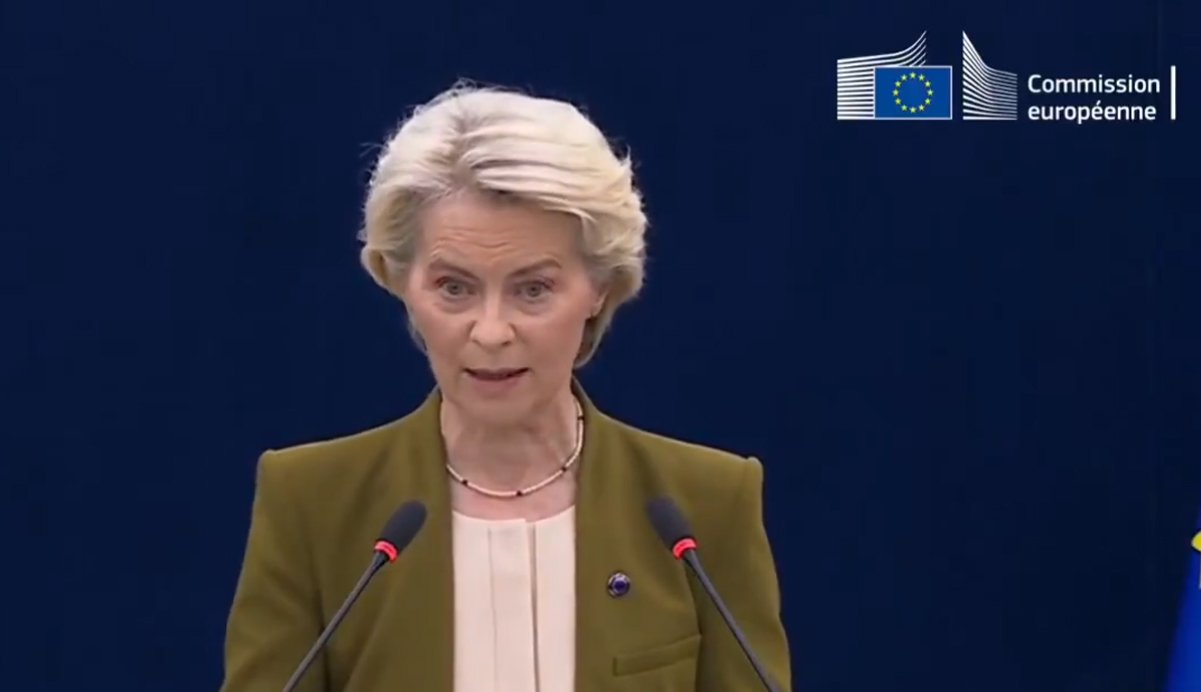
European Commission President Ursula von der Leyen called the deal “a stabilizing step for the global economy,” while Trade Commissioner Maroš Šefčovič emphasized predictability for exporters on both sides.
New Flashpoints: Tech and Services
As of late 2025, the framework remains intact, but new tensions are emerging. On December 16, Washington warned of potential penalties targeting EU services and technology regulations, accusing Brussels of discriminatory treatment against US firms such as Google, Amazon, Meta, and X.
The EU has signaled readiness to escalate if needed, including filing WTO disputes or deploying its Anti-Coercion Instrument, often described by officials as a last-resort “bazooka.”
Economic Impact and Outlook
According to economists at Bruegel and the IMF, the EU’s diversified trade base and negotiated suspensions have limited the long-term GDP impact to around 0.5–1%. Still, analysts warn that a collapse of the current framework or expansion of the dispute into services could significantly raise economic risks in 2026.
For now, the EU’s approach reflects a broader strategy: retaliate where necessary, negotiate where possible, and avoid a transatlantic rupture that could further destabilize the global trading system.