New Delhi, January 5, 2026
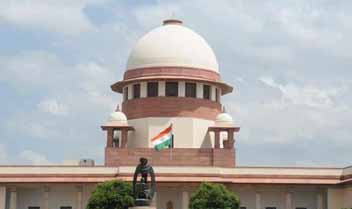
The Supreme Court of India has denied bail to activists Umar Khalid and Sharjeel Imam in the high-profile 2020 Delhi riots case, upholding charges under the Unlawful Activities (Prevention) Act (UAPA) and criminal conspiracy, while granting conditional bail to five other co-accused.
In a detailed judgment delivered by a bench comprising Justice Abhinav Kumar and Justice N.V. Anjaria, the court observed that prima facie evidence exists against Khalid and Imam, distinguishing their roles from the other applicants. The decision, reserved since December 10, 2025, follows extensive arguments from Solicitor General Tushar Mehta and Additional Solicitor General S.V. Raju for the prosecution, and senior advocates including Kapil Sibal, Abhishek Singhvi, Siddharth Dave, Salman Khurshid, and Siddharth Luthra for the defense.
The court approved bail for Meeran Haider, Gulfisha Fatima, Shifa-ur-Rehman, Mohammad Shakil Khan, and Shadab Ahmad, subject to strict conditions such as not influencing witnesses or tampering with evidence. This ruling comes after the Delhi High Court had previously rejected bail pleas for Khalid and Imam, who have been in custody for nearly five years.
The 2020 Delhi riots, which erupted amid protests against the Citizenship Amendment Act (CAA), resulted in over 50 deaths and widespread violence in northeast Delhi. Prosecutors allege that Khalid and Imam played key roles in instigating the unrest through inflammatory speeches, charges the duo has consistently denied.
The apex court emphasized that at this trial stage, releasing Khalid and Imam on bail would not be appropriate given the materials on record. The verdict maintains the status quo for the two, while offering partial relief to others, signaling a nuanced approach in the ongoing larger conspiracy trial involving over 700 pages of charge sheets.
Legal experts note this as a significant development in UAPA-related cases, where bail approvals have been rare due to the stringent provisions. The full implications for the trial, expected to continue in the trial court, remain under judicial scrutiny.