New Delhi, November 26, 2025:
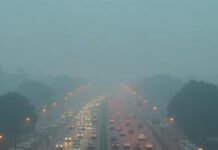
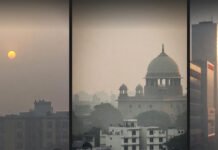
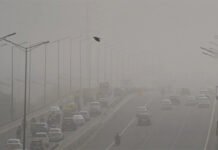
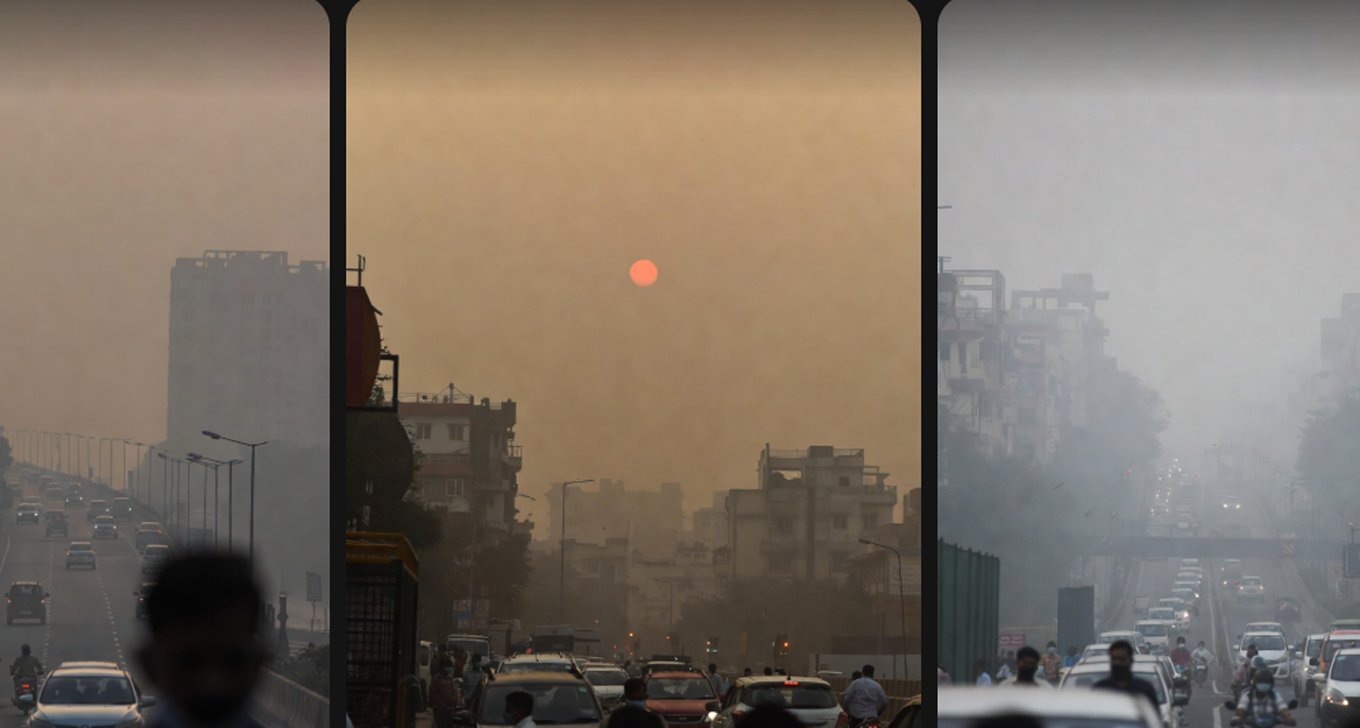
Delhi-NCR recorded a slight dip in pollution levels on November 26, with the Air Quality Index (AQI) easing to 380 from yesterday’s peak of 420. Despite the marginal improvement, air quality remains in the “severe” category, according to the Central Pollution Control Board (CPCB), posing serious health risks—especially for children, seniors, and people with respiratory illnesses.
Pollution hotspots such as Anand Vihar, Jahangirpuri, and Dwarka reported AQI readings between 350 and 400 between 1:00 PM and 7:00 PM. A brief spell of northwesterly winds helped disperse some smoke from stubble burning across Punjab and Haryana, but stagnant weather, heavy traffic emissions, industrial activity, and persistent construction dust continue to choke the region.
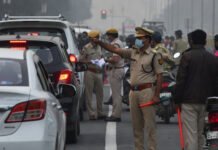
The Commission for Air Quality Management (CAQM) has activated Stage IV of the Graded Response Action Plan (GRAP)—the most stringent level—resulting in
a ban on non-essential trucks entering Delhi,
a complete halt on construction and demolition work, and
school closures, with classes shifted online until at least December 1.
Doctors at AIIMS report a 25% increase in emergency cases of asthma and bronchitis post-Diwali. Experts warn that high concentrations of PM2.5 particles can penetrate deep into the lungs and bloodstream, increasing the risk of long-term heart and respiratory diseases.
The Indian government is fast-tracking initiatives under the National Clean Air Programme (NCAP), including expanding electric bus fleets and promoting crop-residue management technologies, though critics say enforcement remains inconsistent. Residents are advised to stay indoors, wear N95 masks, and avoid strenuous outdoor activity.
This recurring winter pollution crisis underscores India’s broader environmental challenge—1.67 million premature deaths annually are linked to air pollution, according to a 2024 Lancet study. Regional coordination talks between Delhi, Punjab, Haryana, and Uttar Pradesh are scheduled for tomorrow, with growing calls for stricter penalties on farm fires.