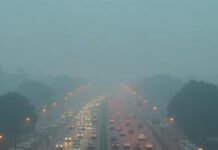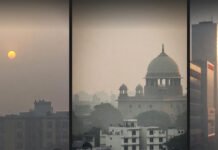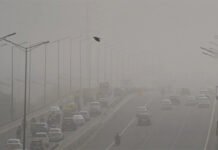
New Delhi : The Delhi government, led by Chief Minister Rekha Gupta, has constituted a 15-member high-level anti-pollution task force to combat the capital’s rapidly deteriorating air quality, which reached a hazardous AQI of 450 in northern zones on December 3, 2025. The initiative marks one of the city’s most aggressive interventions in recent years, driven by toxic winter smog caused by stubble burning, vehicle emissions, industrial waste, and stagnant cold-air conditions trapping pollutants.
The newly formed panel includes noted experts such as IIT Delhi scientist Prof. Mukesh Sharma, CPCB Chairman Prashant Gargava, senior urban governance advisers, and state environment officials. Their mandate includes strengthening Delhi’s pollution forecasting system, enforcing emergency restrictions, and coordinating with NCR states for joint interventions.
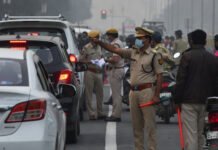
A key component of the plan is real-time monitoring through 40 new high-precision air-quality sensors. The task force will also supervise the odd-even vehicle rationing scheme, which will come into effect from December 5, depending on pollution trends.
Health Impact & Rising Public Concern
From 2022 to 2025, India recorded more than 2 lakh respiratory cases, including 30,000 hospitalizations, many from Delhi-NCR. Early-winter heating demand pushed the city’s peak power load to 4,486 MW, further compounding emissions.
Former Lieutenant Governor Kiran Bedi has called for a national Clean Air Authority, while opposition leader Arvind Kejriwal criticized the government for “reacting late instead of acting early.” Gupta defended the move, saying the task force represents “Delhi’s most coordinated scientific approach to winter pollution.”
Proposed Measures & Economic Stakes
The panel is exploring a mix of tech-driven and policy-driven interventions, including:
Deployment of bio-decomposers to reduce stubble burning
Expansion of EV subsidies for public and private mobility
Crackdown on industrial violators via CPCB special squads
Creation of emergency smog shelters for vulnerable groups
India loses an estimated $95 billion annually to pollution-related health and productivity crises. The urgency to act also aligns with Prime Minister Narendra Modi’s COP30 climate commitments to steer India toward net-zero emissions by 2070.
National Context & Financial Market Reaction
While the IMD issued an orange alert for heavy rains in Chennai, political debates in Bengal over Waqf digitization dominated eastern headlines, highlighting the multifaceted nature of domestic governance challenges.
Despite environmental concerns, markets showed optimism: the Sensex surged to all-time highs, and green technology companies such as Tata Power rose nearly 5% as investors anticipated policy-driven clean energy demand.
Experts estimate that if the recommended measures are strictly implemented, Delhi could witness up to a 20% reduction in AQI levels by January 2026. However, farm unions have signaled resistance to stubble-control policies, threatening nationwide strikes.