New Delhi, India, December 31, 2025
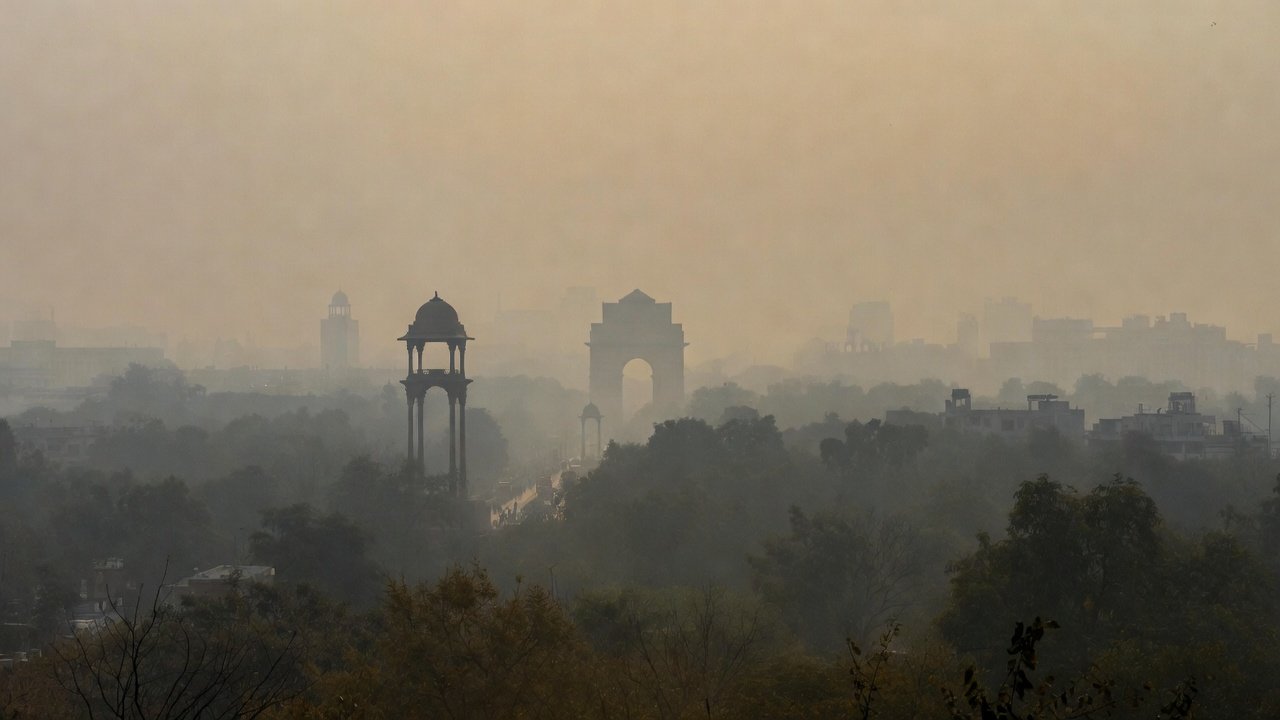
Delhi residents welcomed 2026 amid continuing severe air pollution, with no respite expected from hazardous air quality on New Year’s Day.
The Central Pollution Control Board (CPCB) forecasts that air quality will remain in the “very poor” category through January 2, posing health risks especially for those with respiratory conditions.
Citizens may experience eye irritation, coughing, headaches, and breathing difficulties due to the persistent toxic haze.
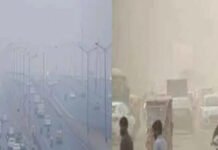
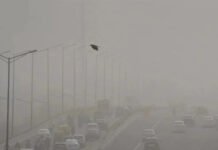
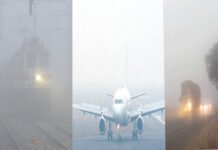
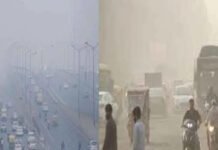
On Wednesday, December 31, a shift in wind direction kept conditions in the “very poor” range throughout the day. The morning began with dense fog, followed by a thick layer of smog that reduced visibility across many areas and caused widespread discomfort.
Delhi’s overall Air Quality Index (AQI) was recorded at 373, classified as “very poor”—a 15-point improvement from Tuesday. Across the National Capital Region (NCR):
- Noida: 382 (most polluted)
- Greater Noida: 366
- Gurugram: 328
- Ghaziabad: 312
- Faridabad: 221 (least polluted, still “poor” category)
According to the Decision Support System for Air Quality Management in Delhi, major pollution sources included vehicular emissions (15.12%), peripheral industries (7.63%), residential sources (3.68%), construction activities (2.64%), and road dust (1.08%).
Weather data from CPCB showed south-easterly winds at 10 km/h, a mixing height of 900 meters, and a ventilation index of 2500 m²/s. At 3 p.m., PM10 levels reached 294.7 µg/m³ and PM2.5 levels hit 191 µg/m³, with several areas recording “severe” or “very poor” readings.
Environmental experts attribute the prolonged poor air quality primarily to seasonal weather patterns. Falling temperatures and a western disturbance have trapped cold air near the surface, preventing pollutant dispersion. Vehicle exhaust, construction dust, and other emissions accumulate close to the ground. With minimal rainfall and slow wind speeds, pollutants remain trapped, significantly worsening the situation.