Delhi | December 21, 2025
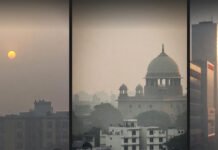
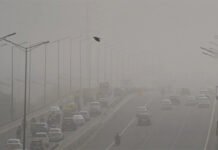
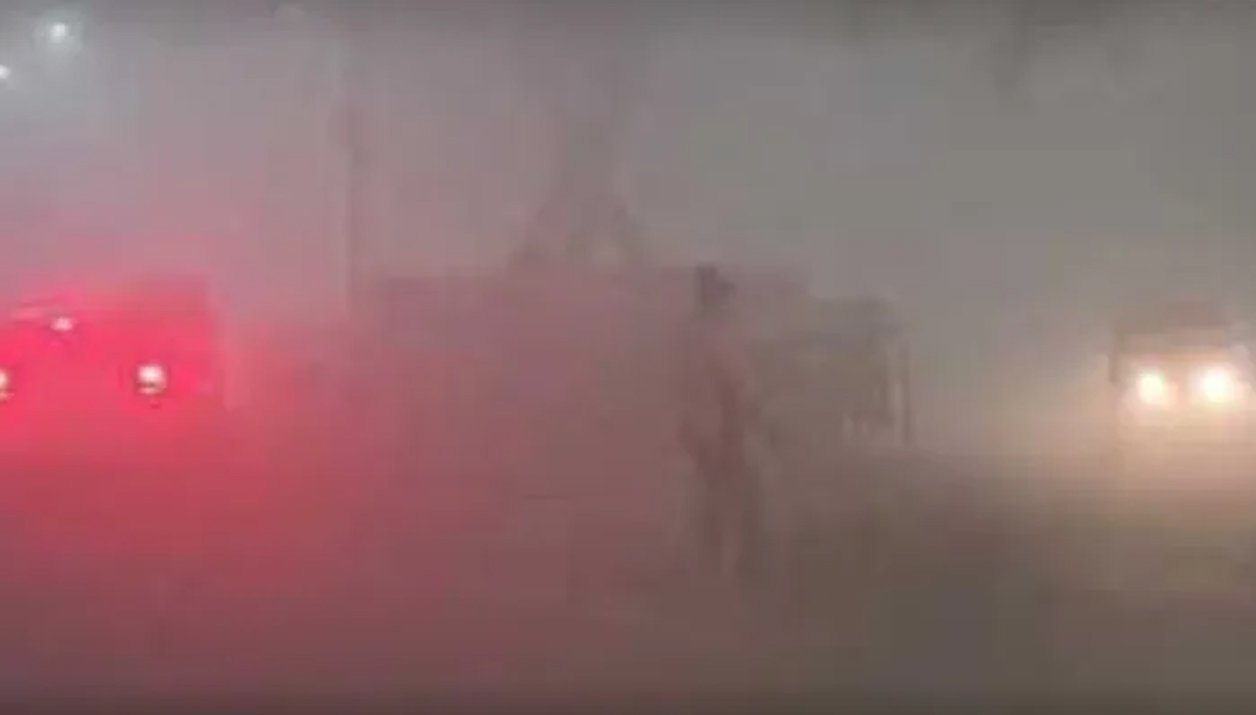
Delhi is grappling with toxic winter air, as air quality continues to deteriorate amid severe smog and low wind conditions. Breathing in the capital has become increasingly difficult, with health risks rising for residents.
The Air Quality Early Warning System for Delhi recorded an average AQI of 393 on Sunday morning, marking the severe pollution category. On Saturday, the AQI had been 398. Experts warn that levels could remain in the serious category for the next several days due to persistent local emissions and stagnant air.
District-Level Air Quality Data
According to CPCB data at 8 AM, key AQI readings across Delhi were:
Alipur: 375
Anand Vihar: 426
Ashok Vihar: 425
Aya Nagar: 309
Bawana: 439
Burari: 378
Chandni Chowk: 448
DTU: 433
Dwarka Sector 8: 408
IGI Airport T3: 332
ITO: 393
Jahangirpuri: 438
Lodhi Road: 357
Mundka: 433
Najafgarh: 371
Punjabi Bagh: 420
R.K. Puram: 394
Rohini: 433
Sonia Vihar: 410
Vivek Vihar: 413
Wazirpur: 443
December Air Quality Among Worst in 8 Years
This December, Delhi’s air quality has reached historic lows, making it one of the most polluted Decembers in the past eight years. From the start of the month, AQI levels have remained above 300, averaging around 343, with multiple days hitting severe pollution.
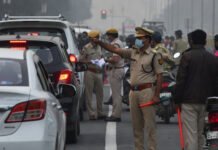
The worst recorded AQI was 461 on December 14, the highest in eight years for December. In response, the Graded Response Action Plan (GRAP) was activated at Stage 4, the strictest level, in Delhi-NCR to combat the deteriorating air.
Health Advisory
Authorities urge residents, especially children, the elderly, and those with respiratory issues, to limit outdoor exposure, wear protective masks, and avoid strenuous activities. The situation is expected to remain critical due to stagnant winds and ongoing local emissions.