Colombo/New Delhi, November 29, 2025:
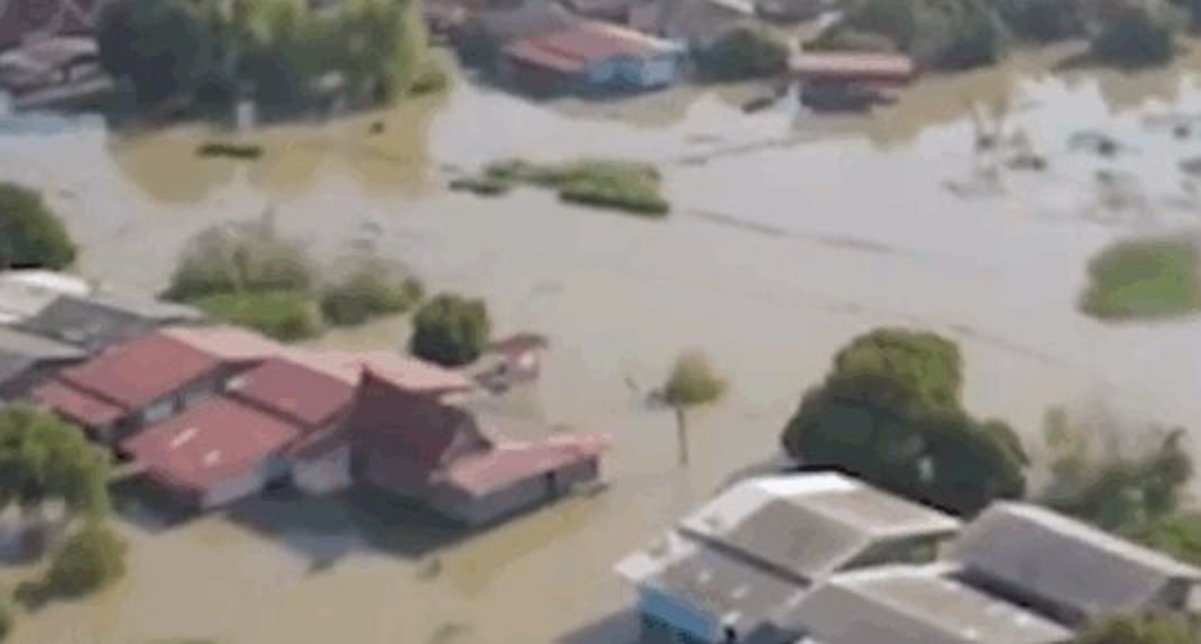
Cyclone Ditwah, a powerful Category 4 storm with sustained winds reaching 220 km/h, tore into Sri Lanka’s western coastline early Friday, bringing deadly floods and landslides that have killed at least 56 people and displaced more than 500,000 residents. The storm marks one of the worst natural disasters to strike the island nation in over a decade.
Originating in the Bay of Bengal, Ditwah intensified rapidly due to warming Indian Ocean temperatures—an alarming trend scientists link to climate change and El Niño conditions. Sri Lanka’s southern and eastern regions received a staggering 1,200 mm of rainfall in just 48 hours, equivalent to an entire year’s monsoon, overwhelming rivers and triggering massive mudslides.
Devastation Across Sri Lanka
According to Sri Lankan authorities, the casualties include 32 deaths from drowning, 15 from landslides, and 9 from collapsed homes and buildings. Entire villages in the Ratnapura district were buried under mud, with emergency teams searching for 10 missing fishermen.
The cyclone damaged more than 200 schools, 150 hospitals, and left 2 million households without electricity. President Anura Kumara Dissanayake declared a national emergency, mobilizing 20,000 troops for rescue and rapid relief distribution.
India Responds with ‘Operation Sagar Bandhu’
Demonstrating swift regional solidarity, India launched a major humanitarian effort titled “Operation Sagar Bandhu”, dispatching INS Jalashwa and INS Airavat from Chennai with 1,200 tons of emergency supplies. The cargo includes ready-to-eat meals, potable water units, tents, medical kits, and solar lamps.
The Indian Navy ships arrived in Colombo by Saturday morning. Prime Minister Narendra Modi spoke directly with President Dissanayake, pledging $50 million for reconstruction and promising 50 mobile medical units.
External Affairs Minister S. Jaishankar coordinated with his Sri Lankan counterpart Vijitha Herath, stressing the importance of Indo-Pacific disaster resilience cooperation.
Rains Approach India’s Southeastern Coast
While Sri Lanka reels from destruction, Ditwah’s remnants are moving toward Tamil Nadu and Andhra Pradesh, prompting evacuations of 50,000 people along the Andhra coast. Heavy rains are expected to continue through November 30, with possible flash floods and coastal erosion alerts issued in both states.
Humanitarian Crisis Looms
UN agencies—including UNICEF—warn that 150,000 children in Sri Lanka are at risk of acute malnutrition due to water contamination, food shortages, and prolonged displacement.
Environmental experts attribute Ditwah’s destructive force to a combination of ocean warming, deforestation, and irregular monsoon cycles—factors that increase the intensity of cyclonic systems in South Asia.
International Aid on the Way
Relief assistance from the United States, Japan, and several regional partners is en route, as Sri Lanka faces a multibillion-dollar reconstruction challenge. Early assessments place economic losses at $2.5 billion, spanning infrastructure, agriculture, and fisheries.
Cyclone Ditwah arrives just months after Cyclone Remal battered the region, underscoring South Asia’s growing vulnerability to extreme climate-driven weather events—and further strengthening India-Sri Lanka cooperation amidst economic recovery efforts.