Beijing, China — November 30, 2025 :
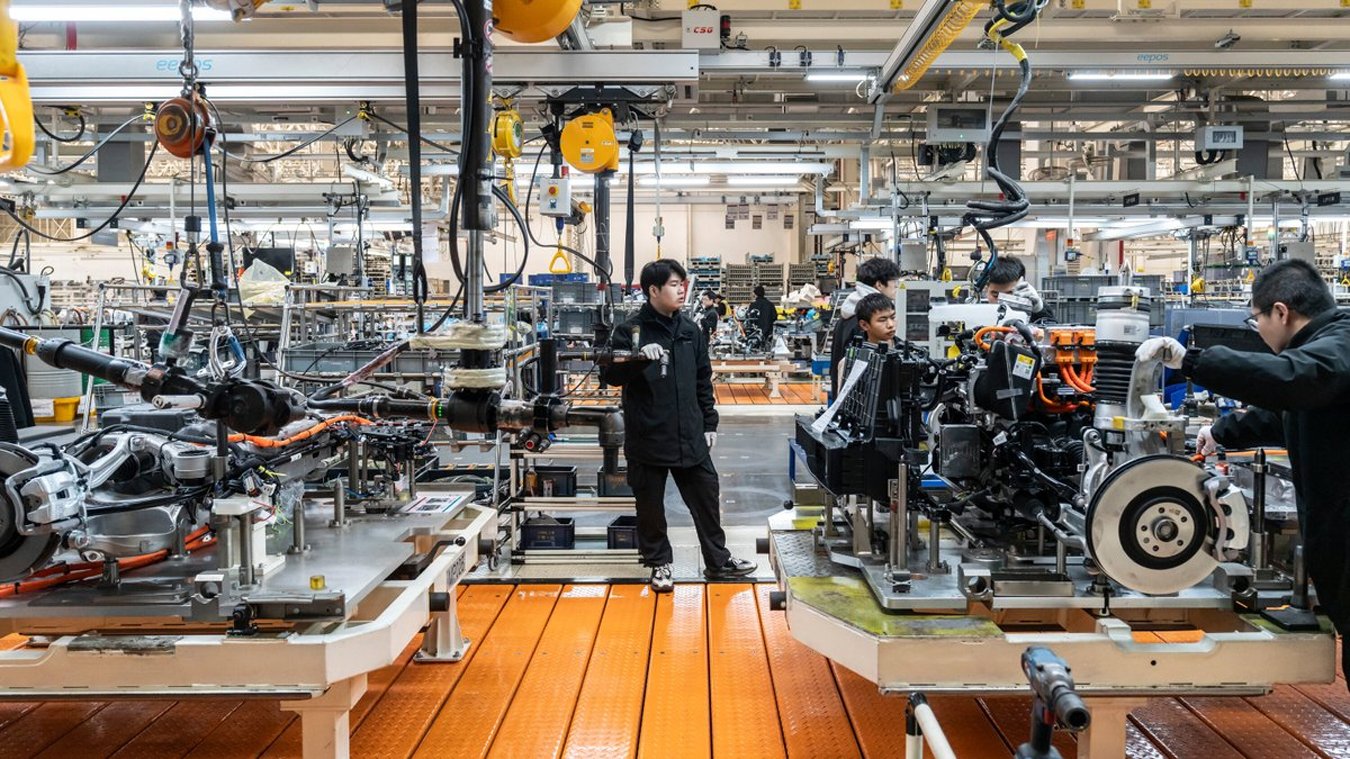
China’s manufacturing sector contracted for the eighth straight month in November, heightening concerns about the country’s slowing economic momentum and prompting renewed demands for large-scale government stimulus. According to the latest survey from the National Bureau of Statistics of China (NBS), the manufacturing Purchasing Managers’ Index (PMI) slipped to 49.0, remaining below the 50-point threshold that separates expansion from contraction.
New orders fell even more sharply, dropping to 48.5, the lowest level since July, as domestic demand stayed weak and U.S. tariffs continued to squeeze exporters. Major firms— including tech giant Huawei—reported output declines of nearly 20%, underscoring the mounting pressure on supply chains.
Premier Li Qiang urged China’s economic planners to accelerate a proposed $200 billion stimulus package, which includes potential interest-rate cuts, infrastructure spending, and new tax incentives for small manufacturers. Analysts say the plan aims to stabilize an economy still reeling from a prolonged property market crisis.
The downturn is already affecting global markets. Commodity prices slipped around 5% as traders braced for reduced Chinese industrial demand. Meanwhile, the People’s Bank of China (PBOC) is reportedly preparing additional bond purchases to inject liquidity and shield growth.
Economists warn that without aggressive intervention, China risks missing its 2025 GDP growth target of 4.5%, raising concerns about broader spillover effects across Asia and emerging markets. The continued manufacturing slump, they say, reflects deeper structural weaknesses that Beijing must confront to restore investor confidence.