New Delhi, India — December 30, 2025
China Reacts Strongly to Salman Khan’s ‘Battle of Galwan’ Teaser
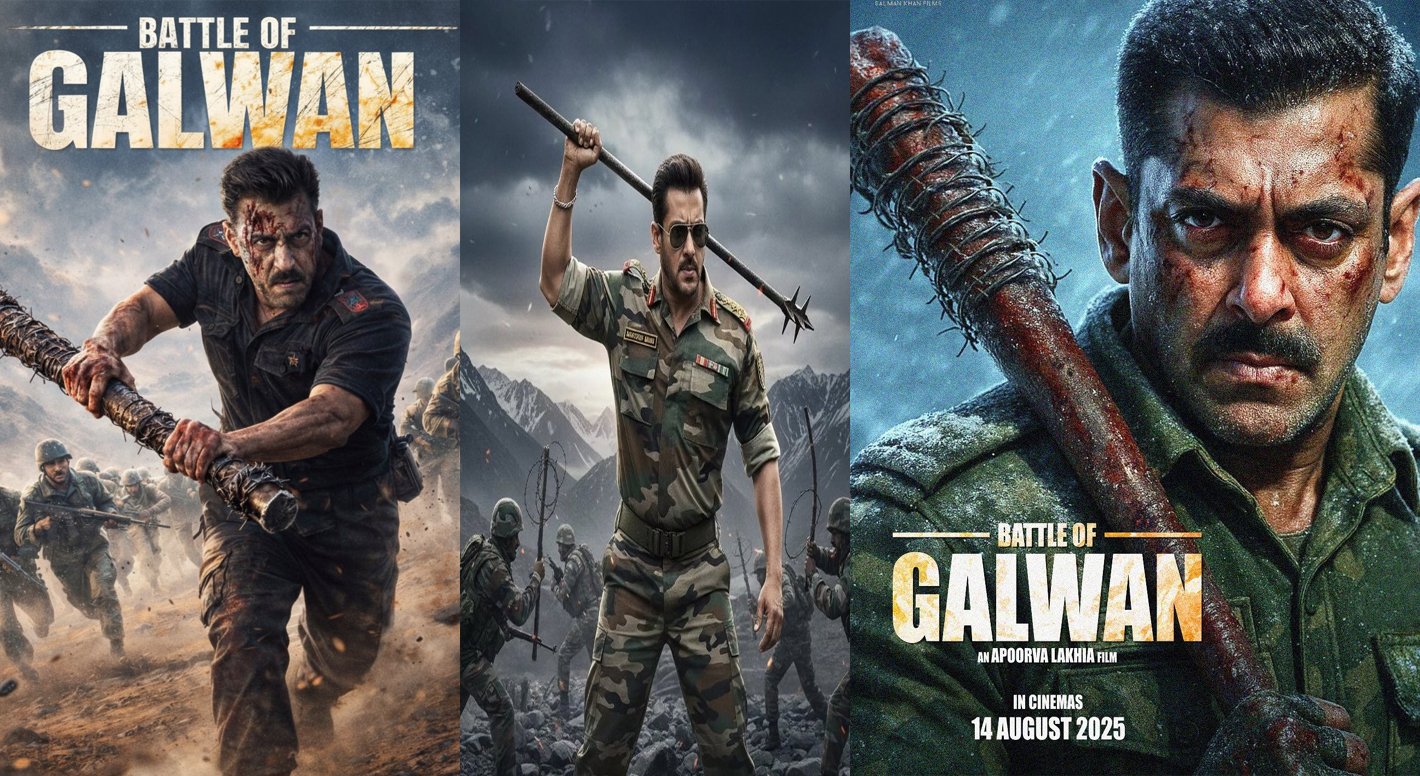
The teaser of Bollywood actor Salman Khan’s upcoming film Battle of Galwan has triggered a strong response from Chinese state-controlled media, with claims that the film distorts facts related to the 2020 Galwan Valley clash between Indian and Chinese troops.
The film, directed by Apoorva Lakhia, is based on the violent confrontation that took place in eastern Ladakh’s Galwan Valley, marking one of the most serious military standoffs between the two countries in decades.
Salman Khan Portrays Colonel Santosh Babu
In Battle of Galwan, Salman Khan plays Colonel Bikkumalla Santosh Babu, the commanding officer of the 16 Bihar Regiment, who was killed in action during the June 2020 clash. Colonel Santosh Babu is widely recognized in India for his role during the confrontation, in which 20 Indian soldiers lost their lives, according to official Indian statements.
The film also stars Chitrangada Singh in a key role, along with Jene Shaw, Ankur Bhatia, and Vipin Bhardwaj in supporting parts.
What Chinese State Media Claimed
China’s state-run newspaper Global Times published an article criticizing the film’s portrayal of the Galwan incident. The article claimed that the teaser presents an account that does not align with what it described as “facts” surrounding the June 2020 clash.
Citing unnamed experts, the publication described the film as exaggerated and dismissed Colonel Santosh Babu’s role as a “so-called significant contribution.” The article argued that Bollywood films are designed to evoke emotion and entertainment, but cannot alter historical realities or weaken what it called the Chinese military’s resolve to defend sovereignty.
Claims on LAC and Responsibility for the Clash
The Global Times article also repeated China’s long-standing position on the Line of Actual Control (LAC), asserting that the Galwan Valley lies on the Chinese side of the border. It blamed Indian troops for allegedly crossing the LAC and provoking the confrontation.
India has consistently rejected these claims, maintaining that the Galwan Valley lies on its side of the LAC in eastern Ladakh. Indian officials have also stated that Chinese actions in the area violated prior bilateral agreements aimed at maintaining peace along the border.
Casualty Dispute Remains a Point of Contention
India has officially acknowledged that 20 of its soldiers were killed in the clash. China initially denied suffering any casualties and later acknowledged the deaths of four PLA soldiers, a figure India has never accepted.
The Chinese article accused India of exaggerating casualty figures and attempting to mislead the international community, while also alleging that Indian cinema is used to fuel nationalist sentiment.
Indian Film Industry Pushes Back
Indian filmmakers have dismissed the Chinese media response as unfounded. Producer Ashoke Pandit said the reaction was unsurprising and reflected insecurity, adding that Indian filmmakers conduct extensive research when making such projects.
Actor-producer Rahul Mittra also stated that Global Times functions as a government mouthpiece and that filmmakers like Salman Khan and Apoorva Lakhia would not proceed with a film without factual grounding.
📌 Context
The Galwan Valley clash remains a sensitive subject in India–China relations, and cultural representations of the event are likely to continue drawing scrutiny from both sides.