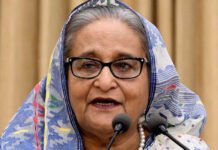
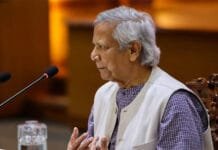
Dhaka, Bangladesh : The Bangladesh will hold its 13th national election on February 12, 2026, the first parliamentary vote since the student-led uprising that toppled former Prime Minister Sheikh Hasina last year. The announcement was made by Chief Election Commissioner A.M.M. Nasir Uddin, who confirmed that preparations are underway to ensure the election is “free, fair, and credible” amid ongoing political and economic challenges.
The 2024 uprising—which resulted in over 300 deaths and thousands injured—forced Hasina from office after weeks of nationwide protests. She now lives in exile in India and faces multiple corruption charges. The interim government, headed by Nobel laureate Muhammad Yunus, is tasked with restoring democratic institutions and stabilizing an economy weakened by inflation, rising unemployment, and climate-related disasters.
Political tensions are rising as opposition BNP leader Khaleda Zia signals a potential return to electoral politics, setting the stage for one of the country’s most consequential contests in decades. Analysts warn that the election could reshape the political landscape, with concerns ranging from a possible Islamist surge to an Awami League regrouping behind the scenes.
Election authorities are racing to update voter rolls, particularly in flood-affected regions, ahead of the December 16, 2025 deadline. International observers from the UN and EU have been invited to monitor the polls across all 300 constituencies, a move aimed at boosting confidence in the electoral process. The interim administration’s mandate ends in January 2026, underscoring the urgency of a smooth transition.
The vote has regional significance as well. Experts at the Institute for Policy Studies (IPS) draw parallels between Bangladesh’s transitional struggles and similar democratic resets in Africa, noting that successful reforms would align with broader sustainable development goals.
On social media, the youth—who drove the 2024 protests—continue to push for anti-corruption measures, transparency, and accountability, signaling that public expectations for change remain high.