Addis Ababa, Ethiopia — November 30, 2025 :
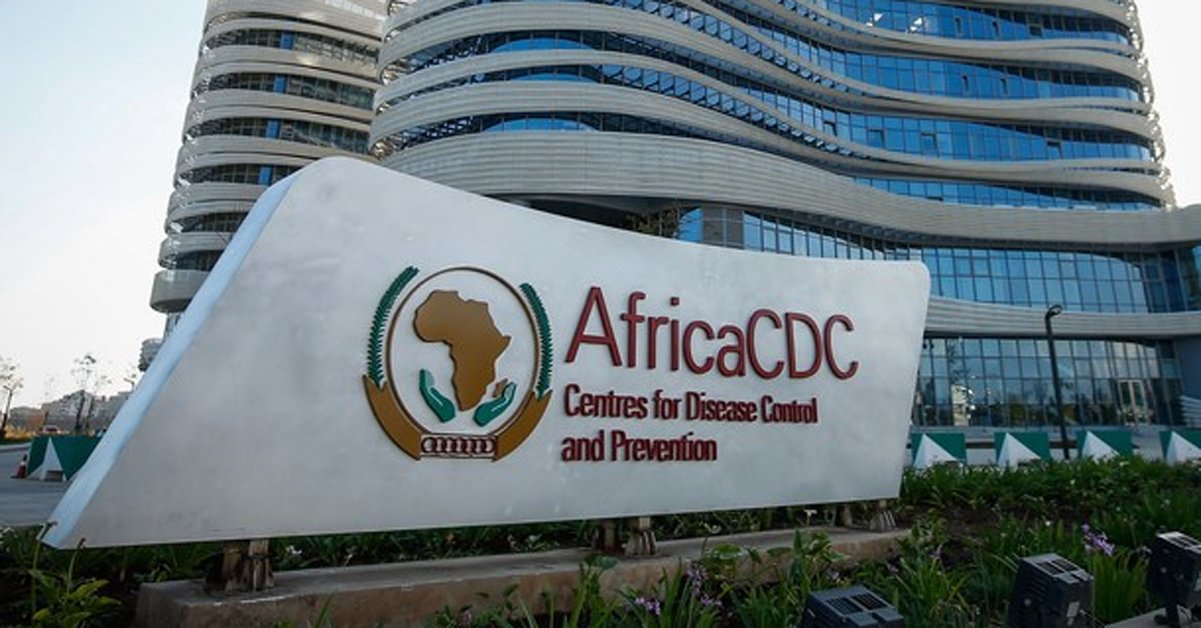
Africa is enduring its deadliest cholera epidemic in 25 years, with the Africa Centres for Disease Control and Prevention (Africa CDC) reporting roughly 300,000 confirmed and suspected cases and over 7,000 deaths across the continent in 2025 alone — a 30% rise from the previous year.
The hardest-hit nations are Angola and Burundi, where overwhelmed health systems, contaminated water supplies, and poor sanitation have fueled rapid disease spread — especially in urban slums and refugee camps. Angola alone reported around 1,200 deaths, while Burundi accounted for roughly 800 fatalities.
Jean Kaseya, Director-General of Africa CDC, declared a continental public-health emergency and urged international donors for an immediate US$500 million infusion to support containment efforts. Meanwhile, World Health Organization (WHO) Africa Regional Director Matshidiso Moeti warned that climate-driven flooding and conflict in regions such as the Democratic Republic of Congo have worsened the outbreak’s spread.
More than 20 African nations are affected. Vaccination campaigns have delivered around 15 million doses, but supply shortages remain severe. Humanitarian agencies like UNICEF and Médecins Sans Frontières (MSF) have established mobile clinics, treating approximately 50,000 patients weekly with oral-rehydration therapy and antibiotics. Despite these efforts, experts warn cases could double by year end if vital investments in water and sanitation infrastructure are not made.
In response, the African Union will convene an emergency summit in Addis Ababa on December 5. Leaders, including Cyril Ramaphosa of South Africa and Bola Tinubu of Nigeria, are set to pledge collaboration on enhanced disease surveillance networks.
The outbreak has also strained global cholera vaccine stockpiles. The International Coordinating Group on Vaccine Provision has allocated 40 million doses worldwide, but distribution delays threaten to aggravate the death toll by as many as 10,000 additional fatalities. Long-term solutions now target water-purification projects in 10 high-risk countries — backed by a US$200 million commitment from the Gavi Alliance to improve sanitation and avoid future crises.