
New Delhi — May 5, 2026
Indoor plants are often seen as symbols of freshness, beauty, and well-being. However, according to traditional Indian design principles in Vastu Shastra, not every plant is considered suitable for the home. Certain varieties are believed to influence the surrounding energy in ways that may lead to stress, obstacles, or even financial strain.
Experts suggest that while greenery enhances living spaces, selecting the right plants is essential to maintain harmony and positive energy. Here’s a closer look at the plants that are commonly advised against in Vastu-based home arrangements.
🌵 Cactus and Thorny Plants

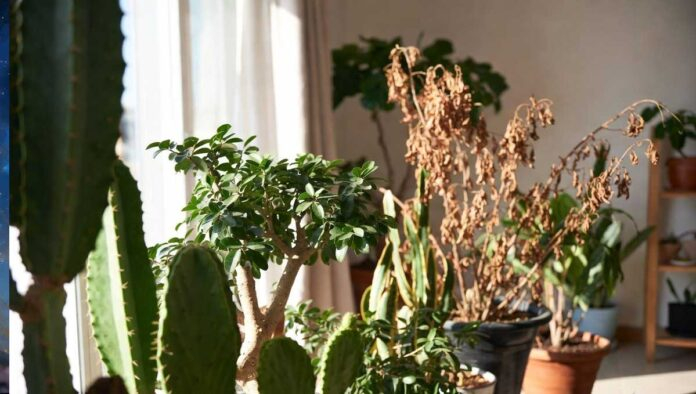
With the exception of rose plants, thorny species such as cactus are generally discouraged indoors. These plants are believed to create tension in relationships and may contribute to disagreements within the household.
🌳 Bonsai Plants

( Photo : Social media )
While visually appealing, bonsai plants are thought to symbolize restricted growth. According to Vastu beliefs, keeping them indoors may limit personal and professional progress over time.
🌴 Tamarind Tree

Planting a tamarind tree within or close to the home is considered inauspicious. It is often associated with negative energy, which may disturb the peace and harmony of the household.
🌿 Milky Sap Plants

Plants that release a milky or latex-like sap—such as certain species of euphorbia—are also advised against. These are believed to attract financial instability and increase unnecessary expenses.
🍂 Dry or Withered Plants

Keeping dried or dying plants at home is considered a sign of stagnation. They may symbolize blocked energy and are believed to bring obstacles into daily life. Experts recommend removing such plants immediately.
🌱 Which Plants Are Considered Lucky?


On the other hand, several plants are associated with prosperity and positive energy:
- Tulsi – Symbol of purity and positivity
- Money Plant – Linked with financial growth
- Jade Plant – Associated with wealth and success
- Snake Plant – Known for air purification and resilience
- Shami Plant – Considered spiritually significant
These plants are widely believed to enhance harmony, attract prosperity, and create a calming atmosphere at home.
A Balanced Perspective
While Vastu principles are rooted in traditional beliefs, modern experts emphasize that plant selection should also consider practical factors such as maintenance, indoor air quality, and personal preference. Combining aesthetic choices with cultural insights can help create a more balanced and harmonious living space.