Tehran, Iran | April 25, 2026
Amid ongoing tensions in the Middle East, Iran has taken a significant step toward normalization by resuming commercial international flights from its capital, Tehran, after nearly two months of disruption.
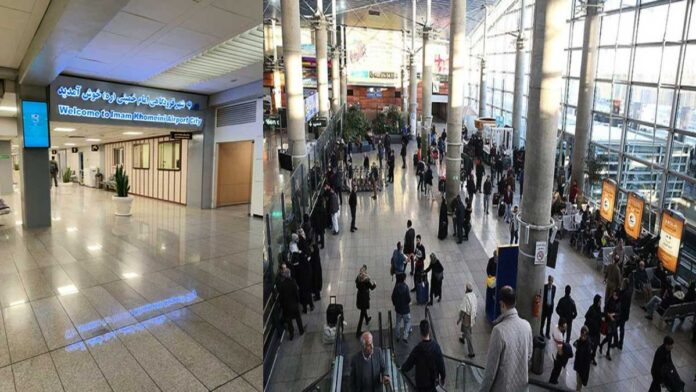
According to state media, operations at Imam Khomeini International Airport restarted on Saturday, with outbound flights departing for key regional destinations including Istanbul, Muscat, and Medina.
The move is being widely viewed as an early indication of improving stability in the region following weeks of heightened geopolitical tensions.
✈️ Flight Operations Resume Gradually
Flight tracking data from Flightradar24 showed that at least three flights departed from Tehran to Istanbul on Saturday morning alone, marking the first wave of resumed international connectivity.
Authorities had earlier partially reopened Iranian airspace earlier this month, after a ceasefire understanding with the United States helped ease immediate military tensions.
🌍 Regional Context: A Step Toward Stability?
The suspension of flights over the past two months had significantly impacted travel and trade routes across the region. Aviation experts say the resumption of flights is a measured and strategic move, signaling cautious optimism rather than a full return to normal operations.
While tensions have not fully dissipated, the reopening of a major international hub like Imam Khomeini Airport is expected to:
- Restore partial regional connectivity
- Ease travel disruptions for passengers
- Support trade and logistics recovery
📊 What This Means for Global Aviation
The Middle East plays a critical role in global aviation corridors. Any disruption—or recovery—has ripple effects worldwide.
With Iran reopening its skies:
- Airlines may begin recalibrating routes
- Passenger traffic in the region could gradually increase
- Airspace congestion in alternative corridors may ease
However, analysts caution that continued geopolitical uncertainty could still influence flight operations in the coming weeks.