Kathmandu, Nepal — April 22, 2026
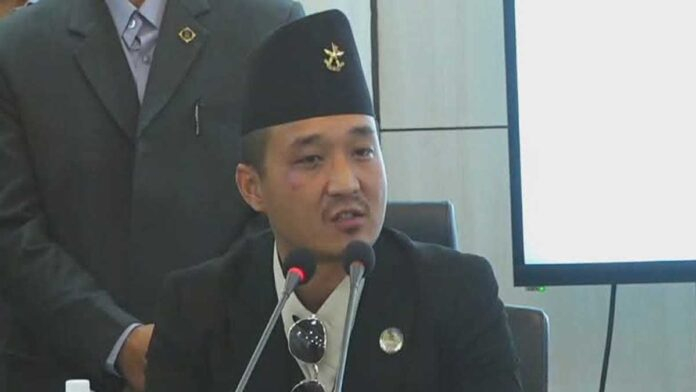
In a significant political development, Sudhan Gurung has resigned from his post as Nepal’s Home Minister just 26 days after assuming office, triggering a renewed debate over ethics and accountability in the country’s political landscape.
Gurung stepped down citing “moral responsibility” and the need to ensure a fair and impartial investigation into questions raised about his financial investments and assets.
Resignation Over Transparency Concerns
Announcing his decision via a public statement on social media, Gurung emphasized that public trust outweighs any political position.
He stated that while he had served with integrity since taking office, concerns surrounding his financial dealings could not be ignored. Remaining in office, he noted, could create a conflict of interest and hinder an unbiased investigation.
Gurung underscored that transparency, honesty, and accountability must remain central to public life.
“Gen Z Demands Accountability”
In a notable remark, Gurung referenced the expectations of younger generations, stating that Gen Z is increasingly demanding clean governance and transparency from political leaders.
He added that leaders must rise to these expectations and demonstrate accountability through their actions, even if it means stepping down from positions of power.
A Call for Ethical Governance
In his resignation message, Gurung also paid tribute to the sacrifices of individuals who contributed to the formation of the current government, stressing that ethical conduct is essential to maintaining its credibility.
He urged citizens, media, and youth to support integrity in public life and embrace self-correction as a pathway to systemic reform.
Criticism of Media and Broader Accountability
While stepping down, Gurung also raised concerns about sections of the media, suggesting that accountability should extend beyond political leaders to include other institutions.
He hinted that details regarding certain financial interests within media circles could emerge in due course, signaling a broader conversation around transparency.
Back-to-Back Political Actions
The resignation comes shortly after another major development in Nepal’s government. On April 9, Prime Minister Balendra Shah dismissed Deepak Kumar Shah, the Minister for Labor, Employment, and Social Security.
Deepak Kumar Shah was removed over allegations of abuse of power and misconduct, including claims that he used his position to retain his spouse in a government role. An internal probe reportedly confirmed irregularities.
A Shift Toward Greater Accountability?
Political analysts view these back-to-back developments as a potential turning point in Nepal’s governance culture, reflecting rising public pressure for transparency and ethical conduct.
Gurung’s resignation, in particular, is being seen as an example of voluntary accountability, contrasting with forced removals in previous cases.
What Comes Next
Attention now shifts to the ongoing investigation into Gurung’s financial dealings and whether it leads to broader reforms in political oversight.
As scrutiny intensifies, the developments could shape future standards for governance in Nepal, setting a precedent for how leaders respond to public accountability.